What buyers need to know about rates, risk, and smarter financing options
Not too long ago, you could call just about any lender, ask for a 30-year fixed mortgage rate, and get nearly the same answer every time. It didn’t matter much whether the property was a primary home or a second home, or whether the borrower was putting 5% down or 20%. There was a general “going rate,” and that was that.
Today, it’s a very different story. If you start exploring financing a home on Martha’s Vineyard, you may notice that rates can vary quite a bit from one buyer to the next. Two people can be quoted completely different numbers on the same day, in the same market, and both can be accurate.

That’s because mortgage rates are no longer standardized. They’re personalized. A 30-year fixed rate isn’t just a number tied to the market. It’s a risk-based outcome that reflects the details of the borrower and the property. Lenders evaluate factors like credit score, down payment, and how the property will be used, and then adjust pricing accordingly. These adjustments are often referred to as Loan-Level Price Adjustments, a framework used by organizations like Fannie Mae to price loans based on risk. In practical terms, this means the “headline rate” you hear about doesn’t apply equally to everyone. A highly qualified buyer purchasing a primary residence with a strong credit profile and a larger down payment will typically see more favorable pricing than someone putting less down or buying a second home.
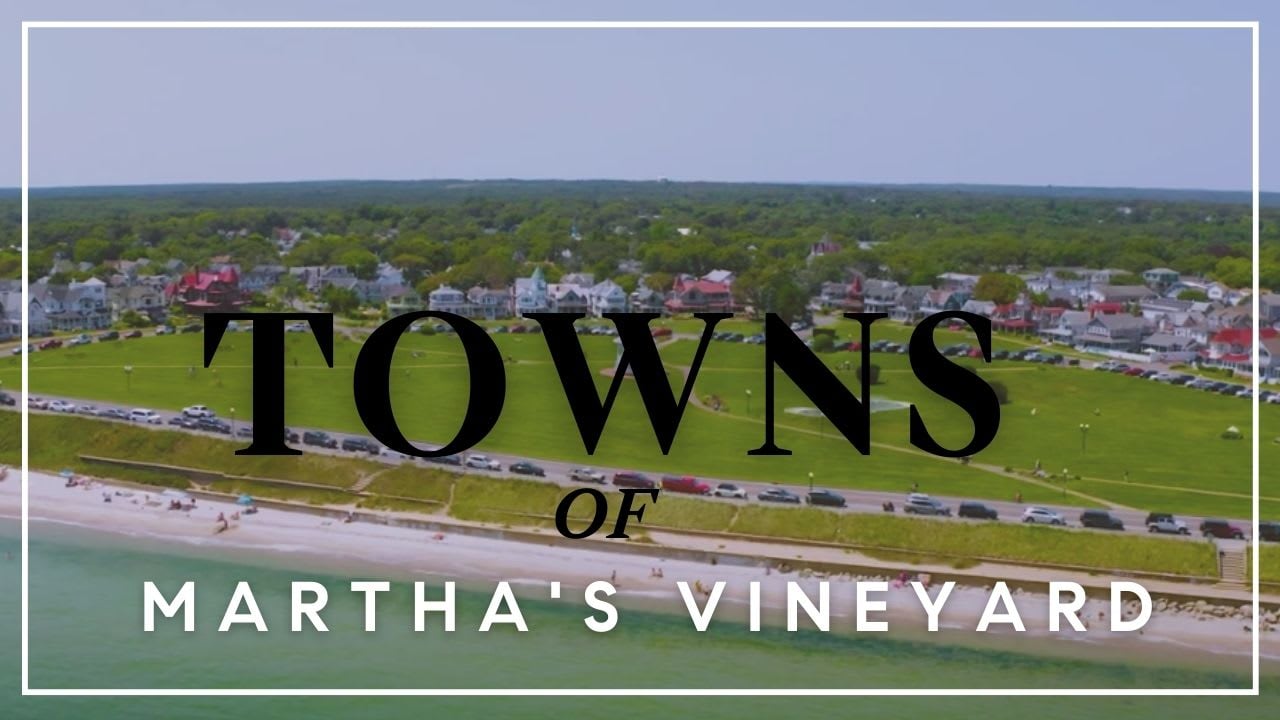
That distinction becomes especially important when financing a home on Martha’s Vineyard, where a large percentage of purchases are second homes or higher-value properties. From a lender’s perspective, second homes tend to carry more risk than primary residences, which often results in slightly higher rates and stricter requirements. When you combine that with higher price points, even a small difference in rate can have a noticeable impact on monthly cost.

But here’s where things start to feel a lot more encouraging—especially for year-round and first-time buyers looking at financing a home on Martha’s Vineyard. There are loan programs specifically designed to make homeownership more accessible, even with lower down payments. Conventional programs backed by Fannie Mae and Freddie Mac can allow for down payments as low as 3% in certain cases. There are also options like FHA loans, backed by Federal Housing Administration, which are designed to help buyers with more flexible credit and down payment requirements. In Massachusetts, there are additional programs through MassHousing that can offer down payment assistance and competitive terms for qualifying buyers. For many year-round buyers, these programs can make financing a home on Martha’s Vineyard far more attainable than they initially expect.
In some cases, these options are more competitive than buyers assume—not just in terms of qualification, but in overall cost structure. The key is knowing they exist and working with a lender who understands how to match the right program to the right situation. Credit score and down payment still matter, of course. Higher credit scores and larger down payments generally lead to better pricing. But they are not the only path to homeownership, and they are not the only way to structure a smart purchase.

One of the more common misconceptions we hear at the O’Hanlon Group comes up in casual conversations. Someone mentions they locked in a great rate, and it sounds like a benchmark everyone else should be aiming for. What’s usually missing from that conversation is the full context—their credit profile, their down payment, whether the home was a primary residence or a vacation property, and whether they paid points to achieve that rate. Without those details, the comparison doesn’t really mean much.
A more productive approach is to focus on what your financing could look like based on your specific goals. That might mean exploring lower down payment options, looking at first-time buyer programs, or structuring a loan in a way that keeps monthly costs manageable while still allowing you to enter the market. When financing a home on Martha’s Vineyard, having that clarity upfront is especially important. Inventory is limited, and the right property can come along quickly. Being prepared allows you to move with confidence rather than hesitation.
The bottom line is that mortgage rates today are customized. They reflect the full picture of the borrower and the structure of the loan, not just the broader market. And while that can make things feel more complex, it also means there are more opportunities to find the right fit than many buyers realize.
If you’re thinking about financing a home on Martha’s Vineyard—whether it’s your first purchase or a year-round move—the O’Hanlon Group is always happy to connect you with trusted local lenders and help you understand your options. Sometimes a quick conversation can open doors you didn’t even know were there.