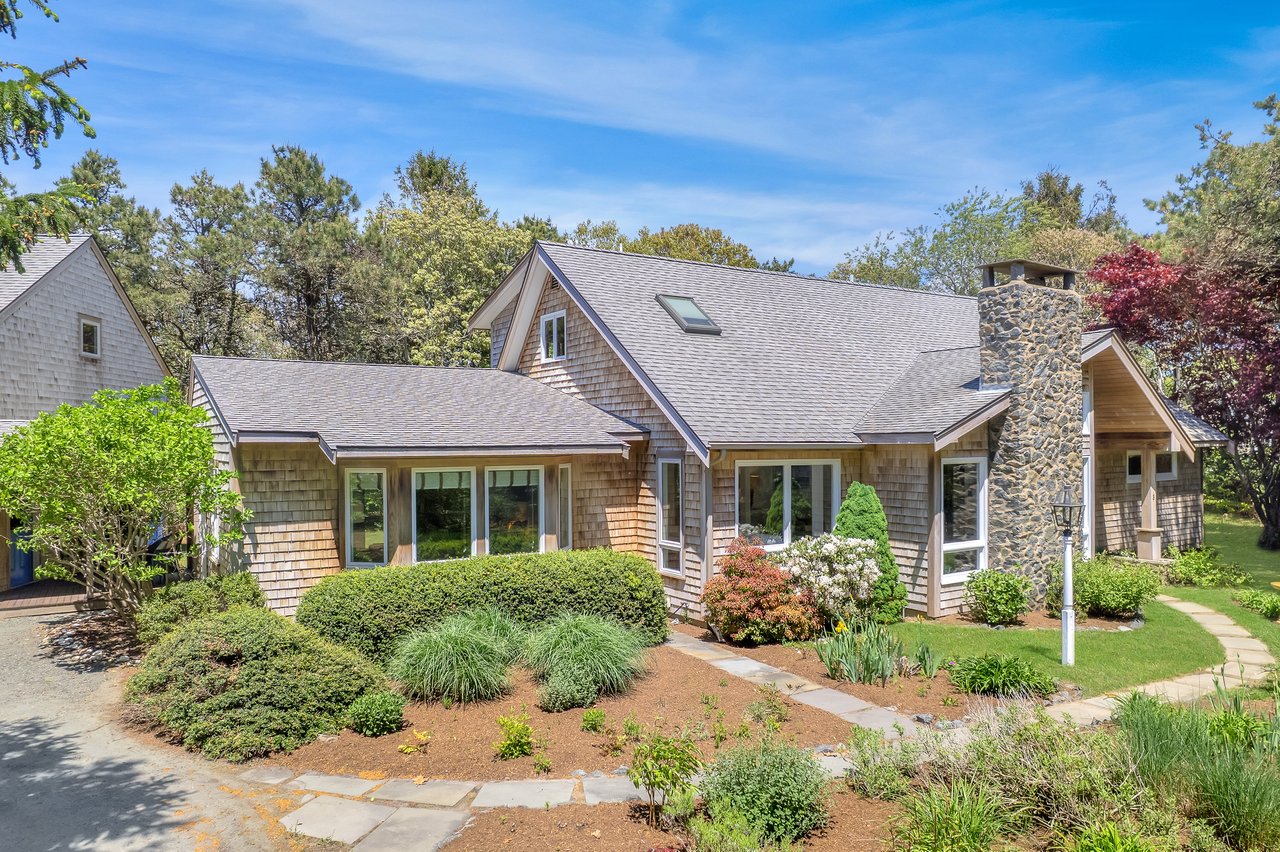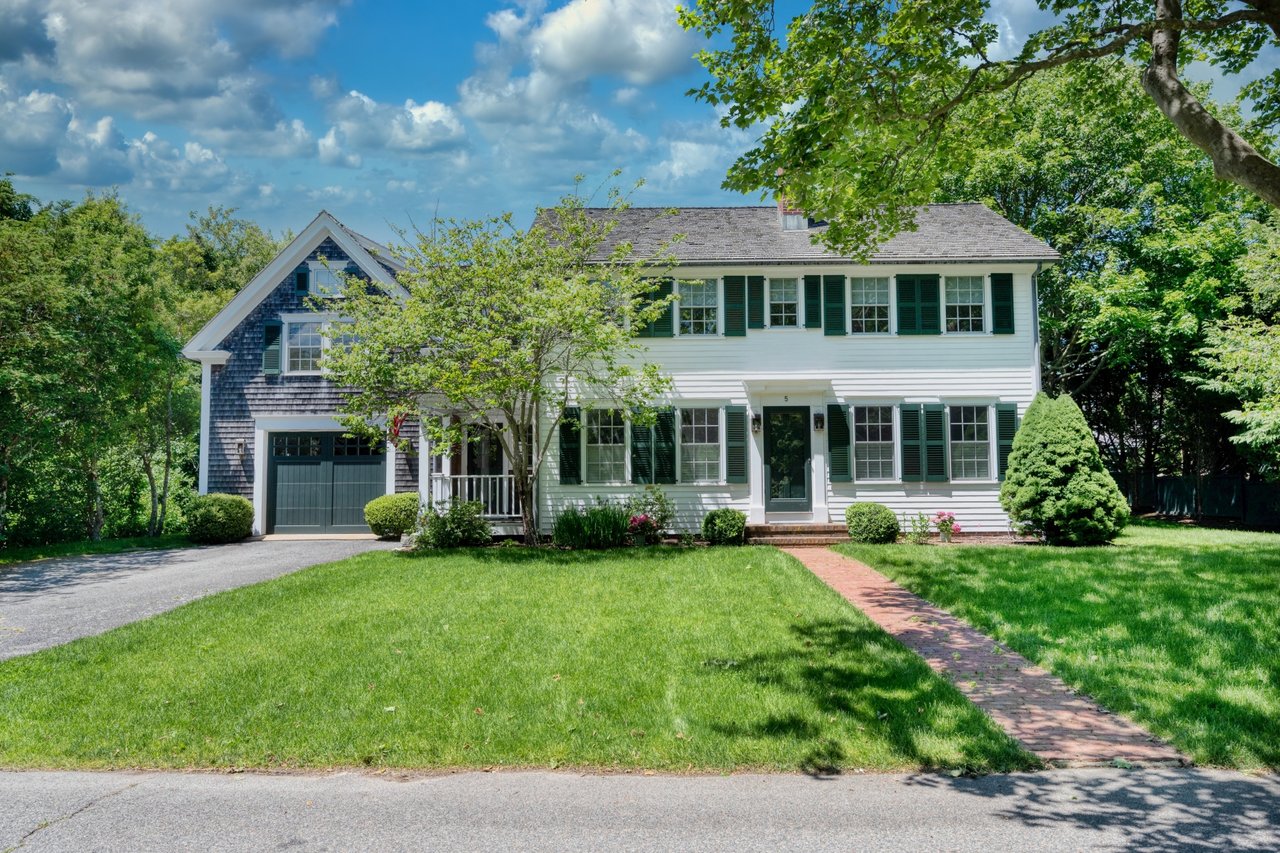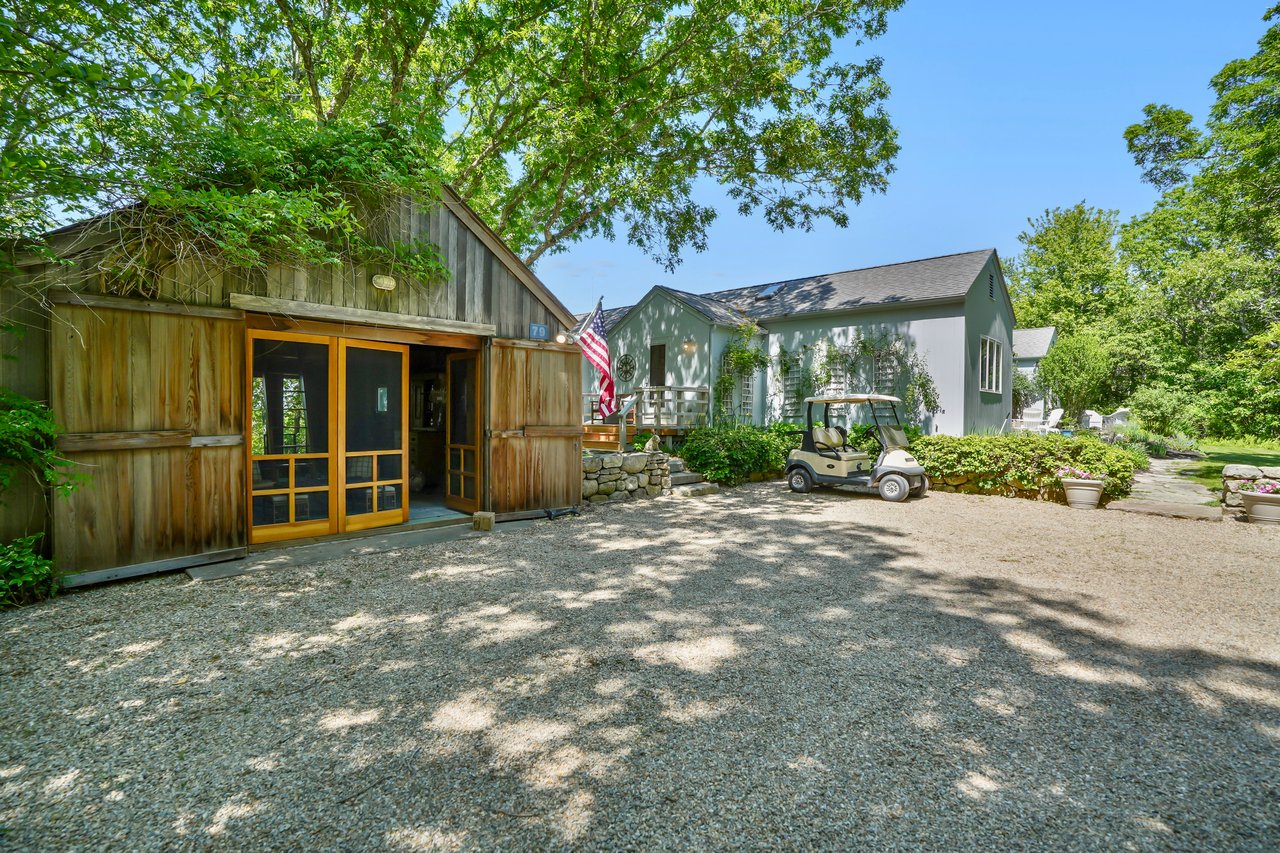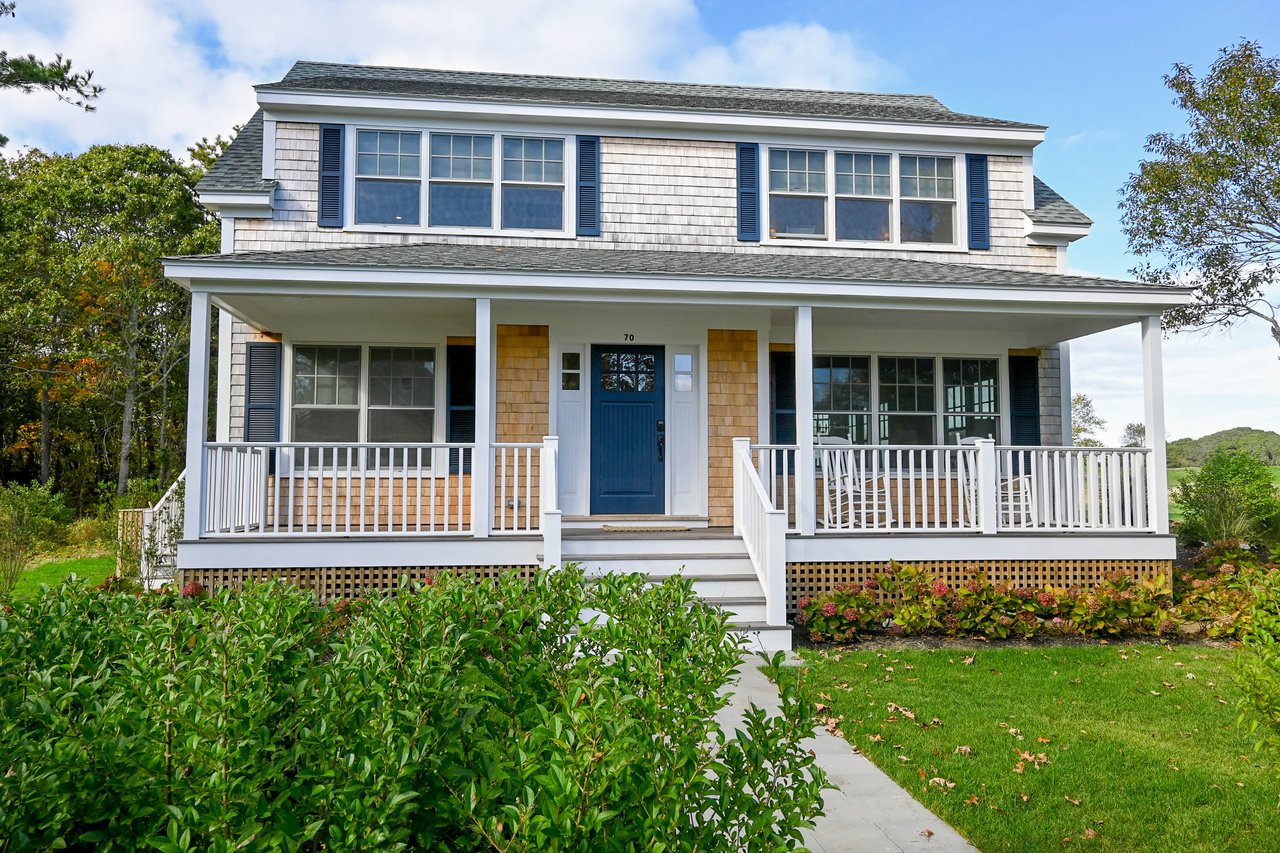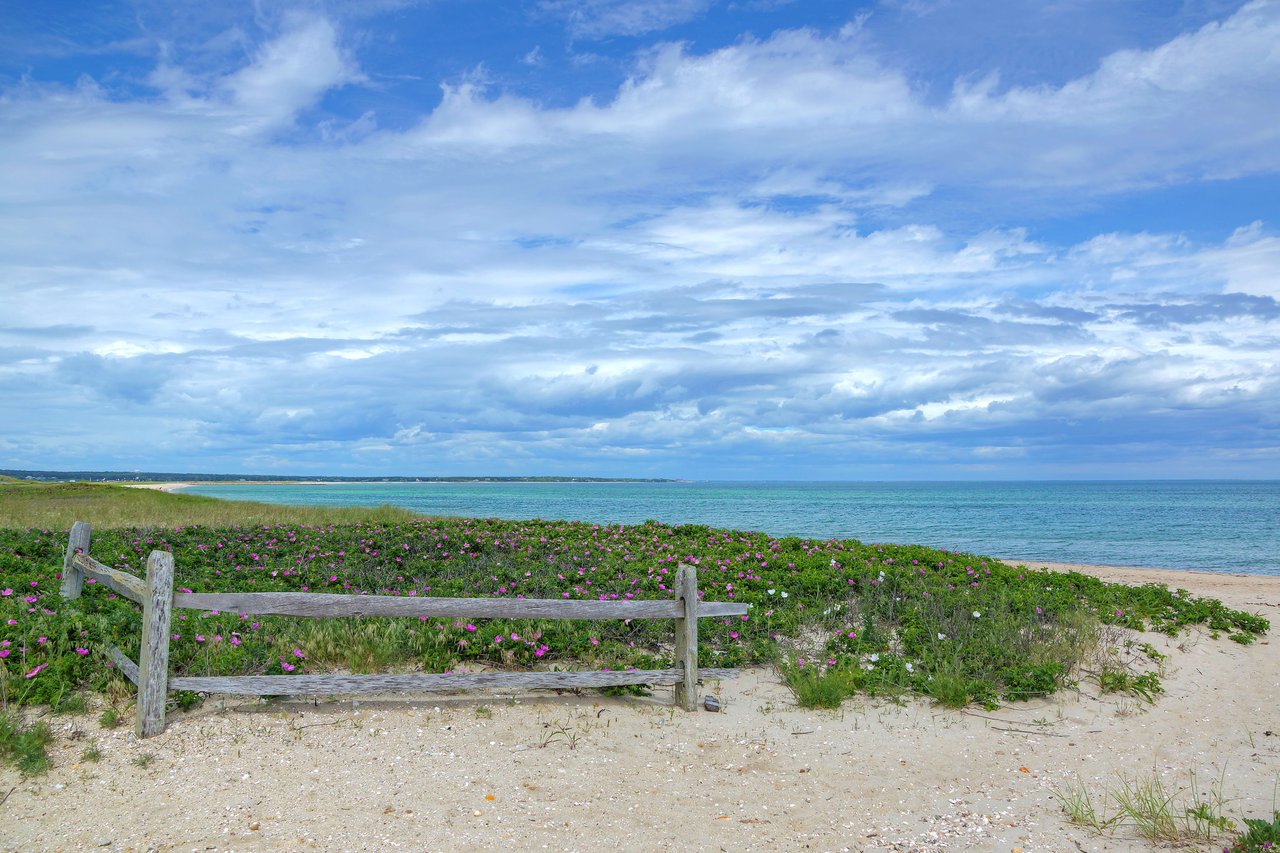
Buying a second home on Martha’s Vineyard is different from purchasing property in most coastal markets. The home itself matters, but so do ferry access, seasonal schedules, property management, rental plans, town regulations, winter maintenance, and the practical realities of owning real estate seven miles off the Massachusetts coast.
For buyers, the most important question is not simply, “Which Martha’s Vineyard town do I like best?” It is, “How do I plan to use this home, and what will it take to own it successfully?”
A buyer searching for a summer retreat may prioritize beach access and outdoor gathering space. Someone planning to spend several months a year on the island may care more about year-round transportation, nearby services, heating systems, storage, and off-season accessibility. A purchaser interested in vacation rentals must evaluate another set of considerations entirely.
Understanding these differences before beginning the property search can make it much easier to identify the right home, town, and ownership strategy.
Is Buying a Home on Martha’s Vineyard Different From Buying on the Mainland?
Yes. Martha’s Vineyard is accessible by ferry or plane, with no bridge or tunnel connecting it to the mainland. The Steamship Authority operates year-round ferry service between Woods Hole and Vineyard Haven, while service to Oak Bluffs is seasonal. Vehicle travel therefore requires more planning than it would in a mainland market.
That does not make island ownership impractical. It simply means transportation becomes part of the ownership plan. Buyers should think about how frequently they will bring a vehicle, whether they will keep a car on the island, how guests will arrive, and who will access the property when the owners are away.
The seasonal nature of Martha’s Vineyard also affects the housing market. Massachusetts housing data indicates that approximately 61% of the island’s homes are designated for seasonal or occasional use, while about 39% are part of the year-round housing supply. That creates a market shaped by full-time residents, seasonal homeowners, vacation properties, investment considerations, and limited year-round inventory.
How Do You Choose the Right Part of Martha’s Vineyard?
Martha’s Vineyard has six towns, but selecting among them should involve more than choosing a favorite streetscape or beach. The island’s official tourism resources describe Edgartown, Oak Bluffs, and Vineyard Haven as the three port communities with concentrated town centers. West Tisbury, Chilmark, and Aquinnah are generally more rural and are commonly described as up-island.
For real estate buyers, those differences can influence transportation, privacy, lot size, rental appeal, access to shops, and the overall pace of ownership.
Down-Island Homes May Offer Greater Convenience
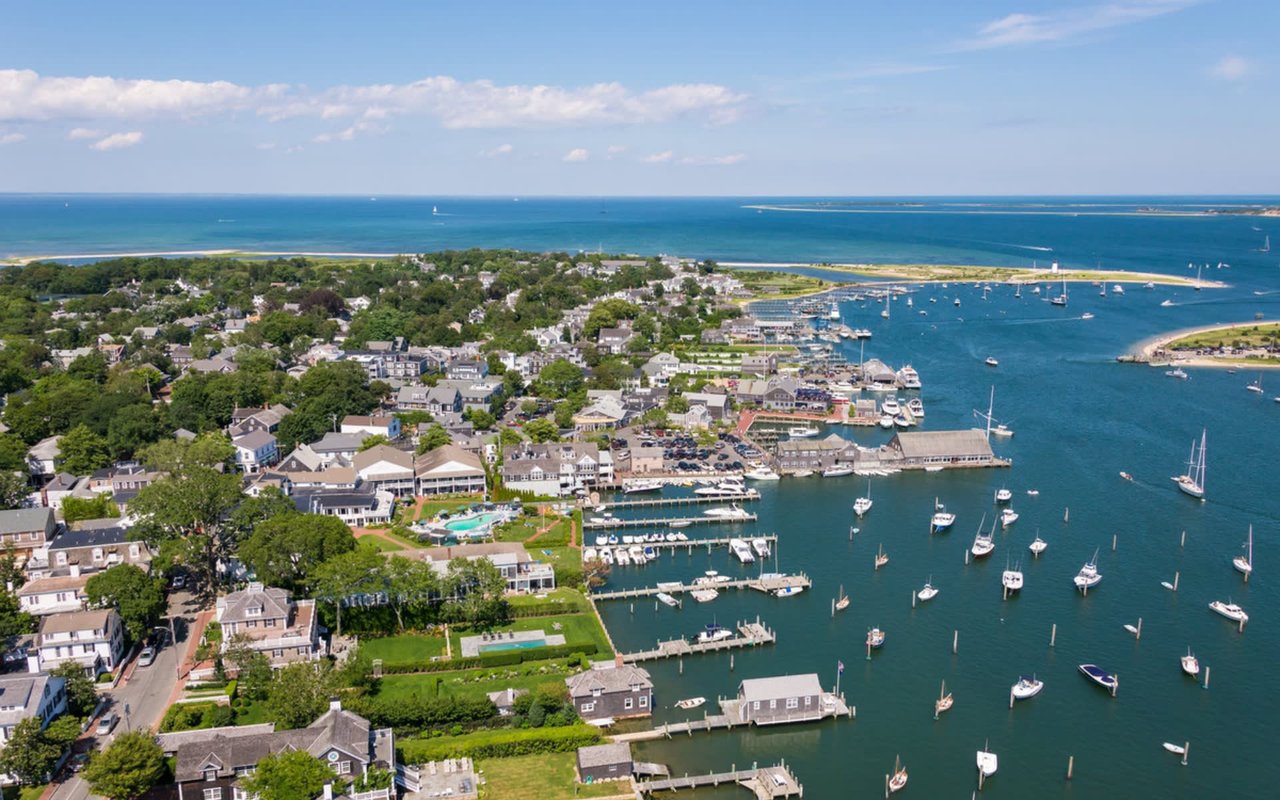
Edgartown, Oak Bluffs, and Vineyard Haven generally place owners closer to ports, restaurants, shops, beaches, and walkable village centers.
That convenience can be especially appealing to owners who expect frequent guests or prefer not to rely on a vehicle for every trip. Properties near town may also appeal to vacation renters who want easier access to dining and activities.
Convenience, however, can come with tradeoffs. Buyers may encounter smaller lots, more summer activity, greater pedestrian traffic, or homes located closer together.
Up-Island Homes Often Prioritize Space and Privacy
West Tisbury, Chilmark, and Aquinnah tend to offer a more rural experience. Buyers are often drawn to these areas for larger parcels, wooded surroundings, farmland, privacy, trails, water views, and a quieter setting.
The tradeoff is that owners may need to drive farther for groceries, restaurants, ferry terminals, and everyday services. Guests unfamiliar with the island may also require more guidance when traveling to and from the property.
Neither side of the island is inherently better. The right choice depends on whether the buyer values convenience, privacy, walkability, rental demand, water access, acreage, or some combination of those qualities.
What Should Buyers Inspect Beyond the House?
A home inspection remains important, but island properties may require additional attention because of coastal exposure, seasonal occupancy, private systems, and environmental conditions.
Septic Systems and Bedroom Capacity
Many Martha’s Vineyard homes rely on private septic systems. Buyers should understand the existing system, its condition, and the approved bedroom capacity associated with the property.
The number of rooms used as sleeping spaces does not always determine the property’s legally supported bedroom count. This can affect renovation plans, resale expectations, and rental use.
Wells and Water Quality
Some properties use private wells rather than municipal water. Buyers may want to review water testing, well performance, treatment equipment, and maintenance history.
These details are particularly important for homes that remain vacant for part of the year or accommodate a large number of summer guests.
Coastal Exposure and Flood Considerations
Waterfront and near-water properties may be exposed to wind, salt, erosion, flooding, and storm-related risks. Buyers should review the home’s location, elevation, flood designation, insurance requirements, and history of coastal maintenance.
Ocean views can be a major part of a property’s value, but buyers should evaluate the long-term responsibilities that accompany the setting.
Heating, Insulation, and Winterization
Not every seasonal cottage was originally designed for comfortable winter occupancy. A buyer hoping to extend the home’s use beyond summer should examine insulation, heating, plumbing protection, windows, backup power, and winter access.
The cost of improving an older seasonal home for year-round use should be considered before the purchase rather than treated as an afterthought.
Can a Second Home Eventually Become a Primary Residence?
Potentially, but the home should be evaluated for that possibility before purchase. A property that works beautifully for summer vacations may require meaningful upgrades for year-round living. Heating, insulation, storage, road access, proximity to services, and transportation become more important when the home is occupied during every season.
Buyers should also recognize that Martha’s Vineyard has a constrained year-round housing supply. The Martha’s Vineyard Commission reported that only about 40% of the island’s housing inventory was available for year-round occupancy and cited a 2024 median home price of approximately $1.5 million.
For someone considering a future transition from seasonal owner to full-time resident, it can be useful to purchase with both the current lifestyle and long-term plan in mind.
What Should You Ask Before Making an Offer?
Before purchasing a Martha’s Vineyard property, buyers should be able to answer several practical questions:
How will the home be used during each season?
Will the property remain vacant for long periods?
Who will monitor and maintain it?
Does the home support the intended number of bedrooms?
Is it suitable for winter occupancy?
What insurance may be required?
Is the property served by a well, septic system, or municipal utilities?
How will owners and guests travel to the home?
Are renovations or additions part of the plan?
Will rental income be necessary to support the purchase?
What are the likely annual ownership expenses?
These questions help separate a home that looks appealing during a showing from one that is genuinely aligned with the buyer’s goals.
The Best Island Purchase Begins With the Right Ownership Plan
Buying a second home on Martha’s Vineyard is not simply about finding an attractive property near the water. It requires a clear understanding of how the home will function when the owners are present, how it will be maintained when they are away, and whether the location supports their preferred island lifestyle.
A buyer seeking an active summer setting may reach a very different decision from someone prioritizing privacy, year-round access, rental performance, or a future move to the island. That is why the property search should begin with an ownership strategy rather than a list of features.
The O’Hanlon Group helps Martha’s Vineyard buyers compare properties, understand town-by-town differences, and evaluate the practical details that can influence long-term ownership. To begin exploring a seasonal residence, investment property, or future year-round home, contact The O’Hanlon Group for guidance tailored to how you plan to use the island.
Frequently Asked Questions About Buying a Second Home on Martha’s Vineyard
Is Martha’s Vineyard a good place to buy a second home?
Martha’s Vineyard may be a strong fit for buyers seeking coastal access, distinctive communities, privacy, seasonal recreation, or long-term island ownership. The right decision depends on budget, intended use, transportation needs, maintenance expectations, and preferred location.
Can you live on Martha’s Vineyard year-round?
Yes. Martha’s Vineyard has a year-round population, schools, businesses, services, and ferry transportation. However, some homes were designed primarily for seasonal use and may require upgrades before they are comfortable or practical throughout the year.
Which Martha’s Vineyard town is best for a second home?
There is no single best town. Edgartown, Oak Bluffs, and Vineyard Haven generally offer greater proximity to ports and village amenities. West Tisbury, Chilmark, and Aquinnah tend to provide a more rural and private setting.
Do you need a car when you own a home on Martha’s Vineyard?
It depends on the property’s location and how the owner plans to use it. Homes near a town center may allow more walking, biking, or public transportation. Rural and up-island properties are generally more convenient with a vehicle.
Can you rent a Martha’s Vineyard second home?
Many island properties are rented seasonally, but rental suitability depends on the home, location, local requirements, management plan, approved occupancy, and owner goals. Buyers should investigate these factors before relying on rental income.
Does the Martha’s Vineyard ferry operate in winter?
Yes. The Steamship Authority operates year-round service between Woods Hole and Vineyard Haven. Oak Bluffs service is seasonal. Vehicle reservations and travel planning should be considered as part of second-home ownership.
What should I inspect before buying an island home?
In addition to a standard home inspection, buyers may need to investigate septic capacity, wells, water quality, heating, insulation, flood exposure, coastal conditions, insurance, winter access, and the property’s maintenance history.
About The O’Hanlon Group
The O’Hanlon Group helps buyers and sellers navigate Martha’s Vineyard real estate with local expertise, discretion, and a deep understanding of the island’s luxury market. The team is ranked among the Top 4 FastExpert REALTORS® in Edgartown, MA, has an average sales price of approximately $2.4 million, and has earned 25+ five-star Google reviews and 10+ five-star Zillow reviews.
Led by Jen O’Hanlon, the team achieved over $30 million in closed sales volume in 2025 and was recognized by RealTrends as the #1 small real estate team by volume and transaction sides in the city rankings.