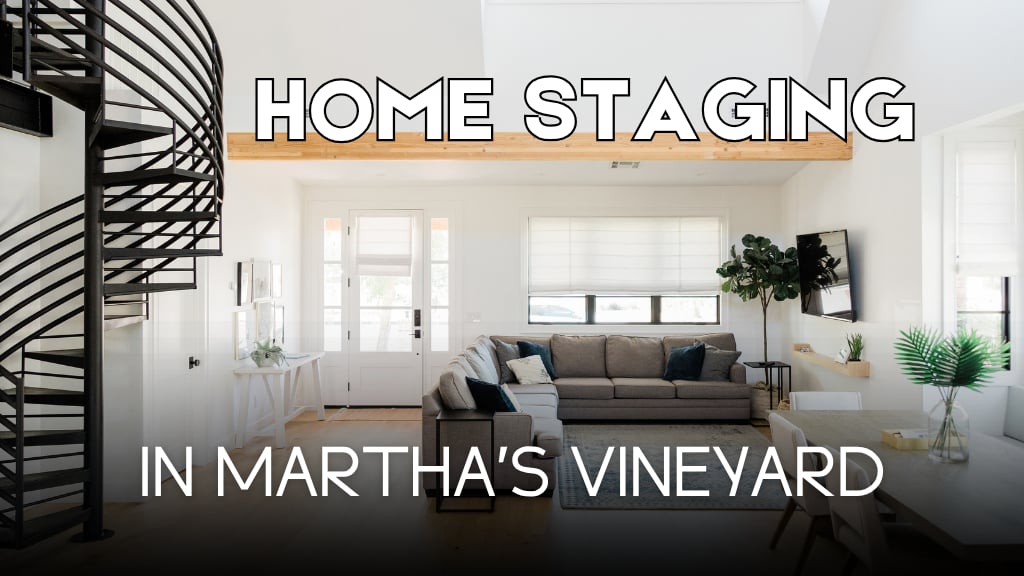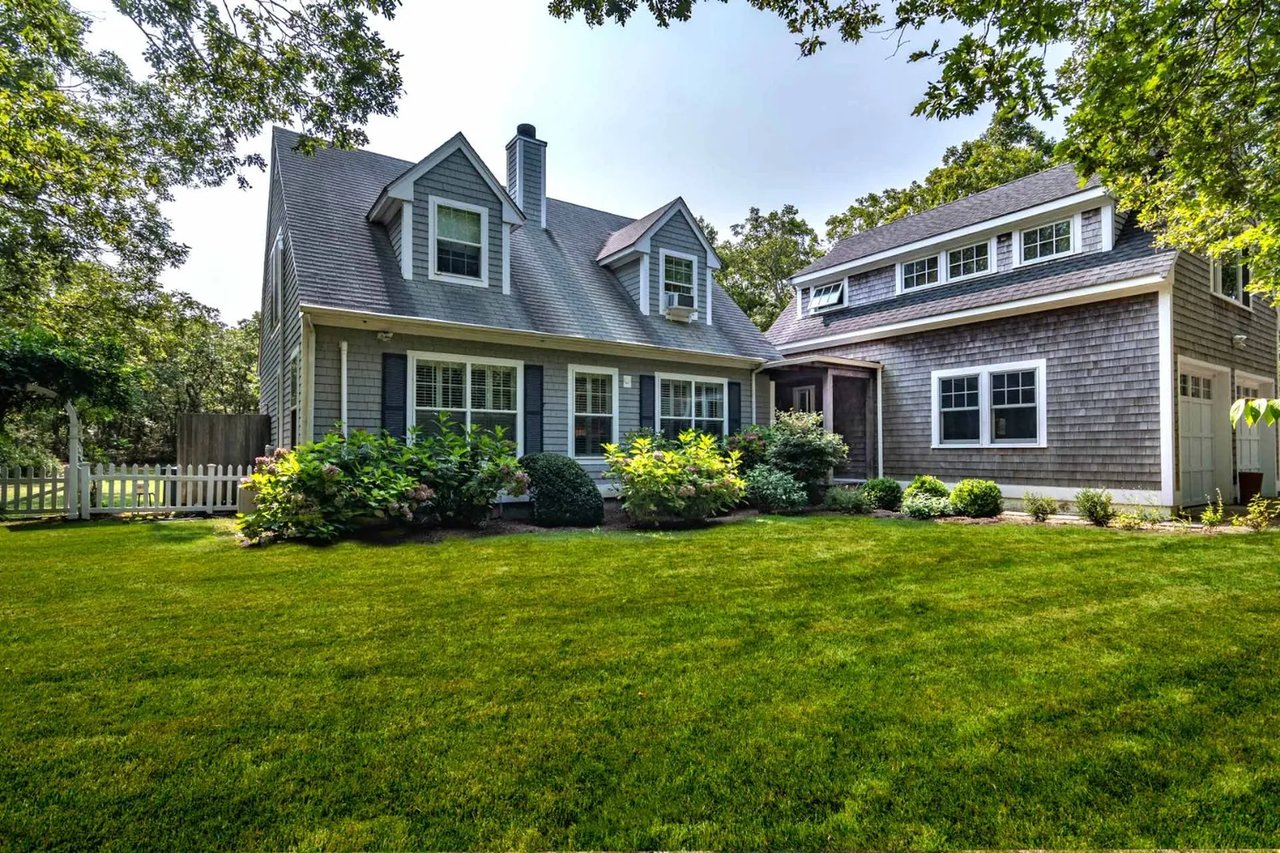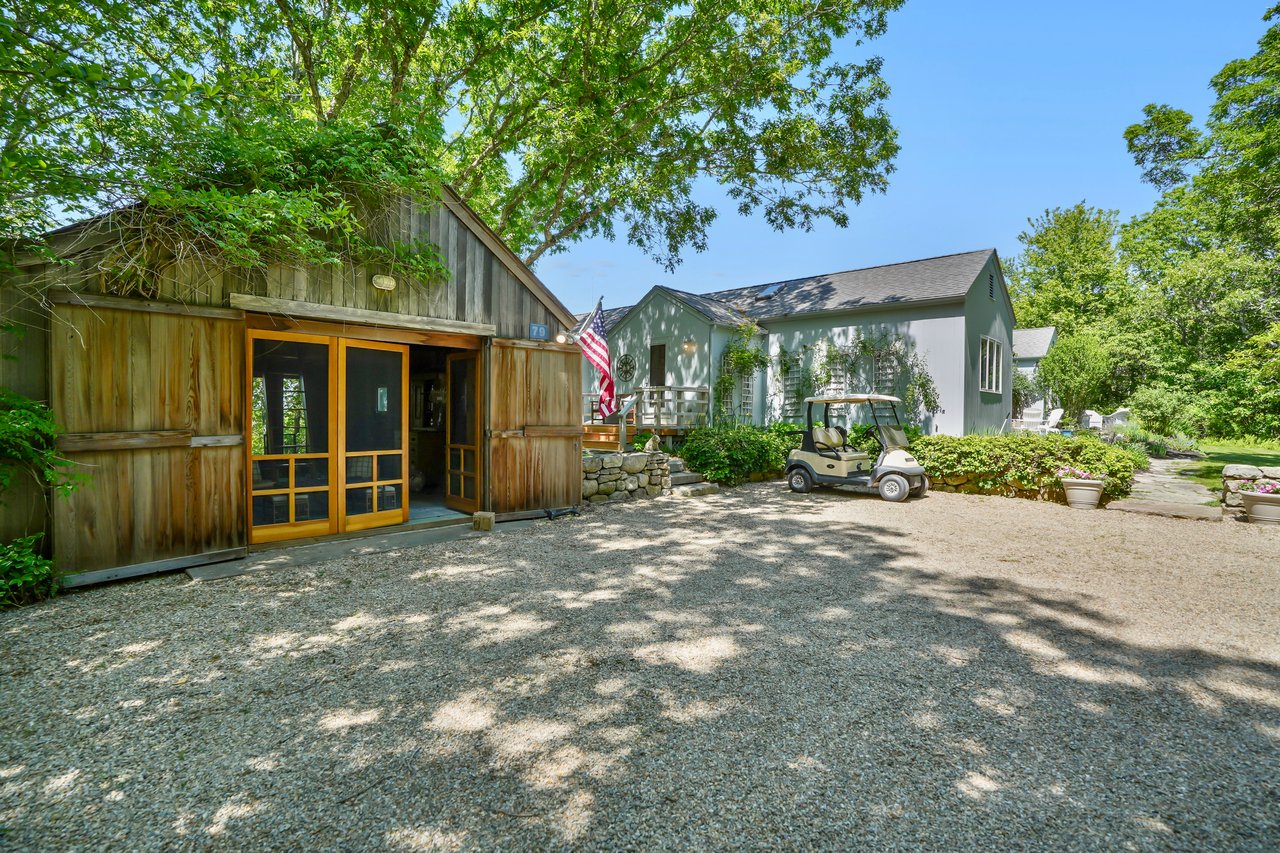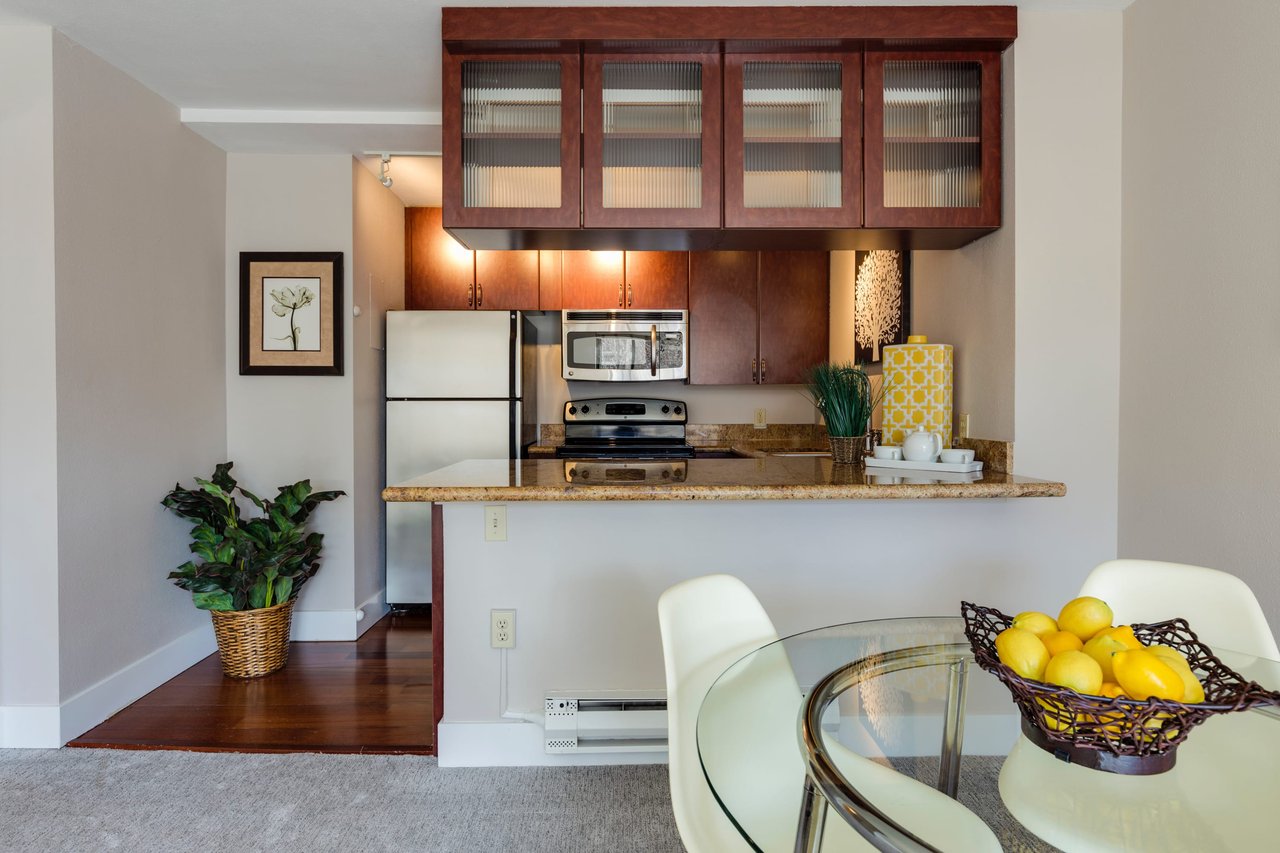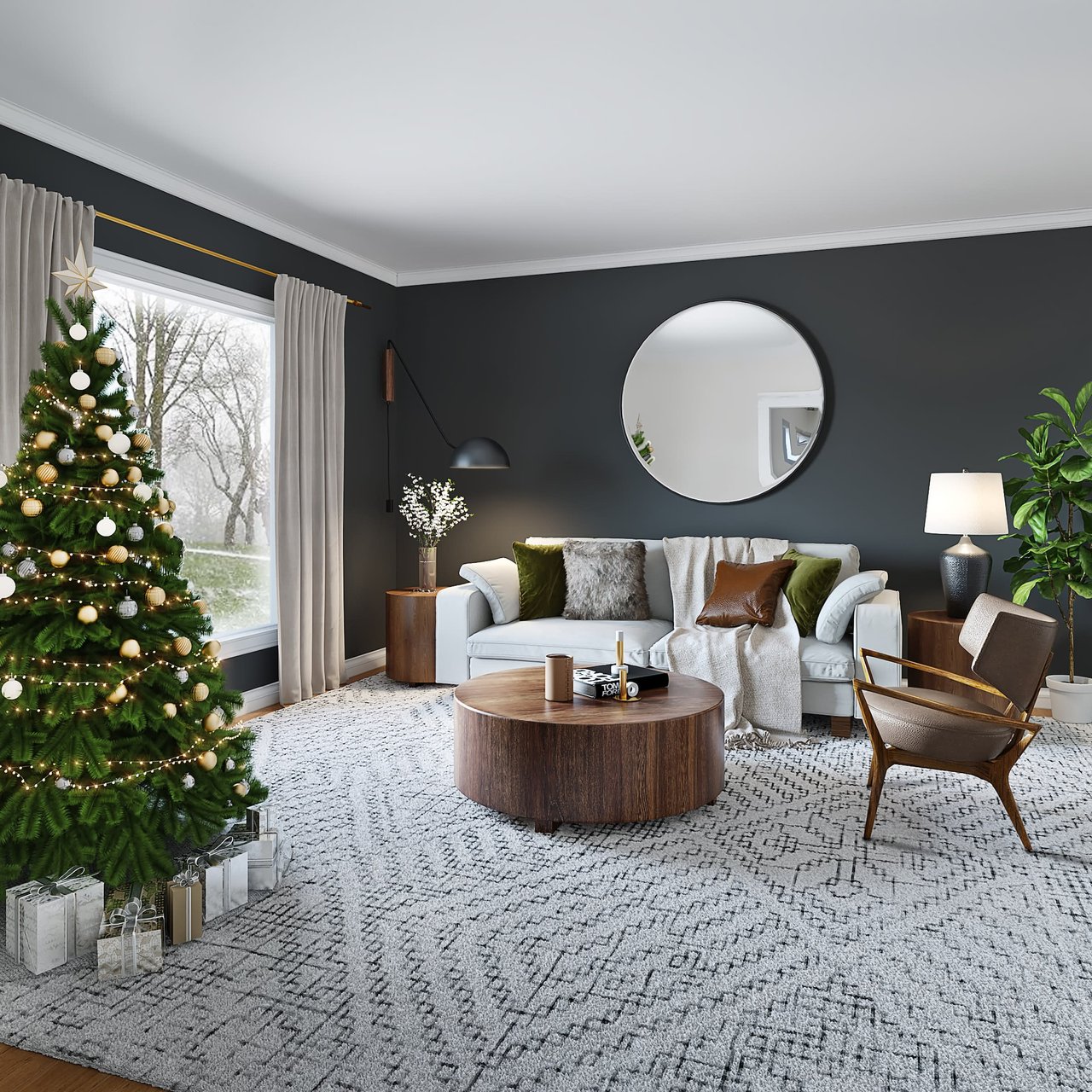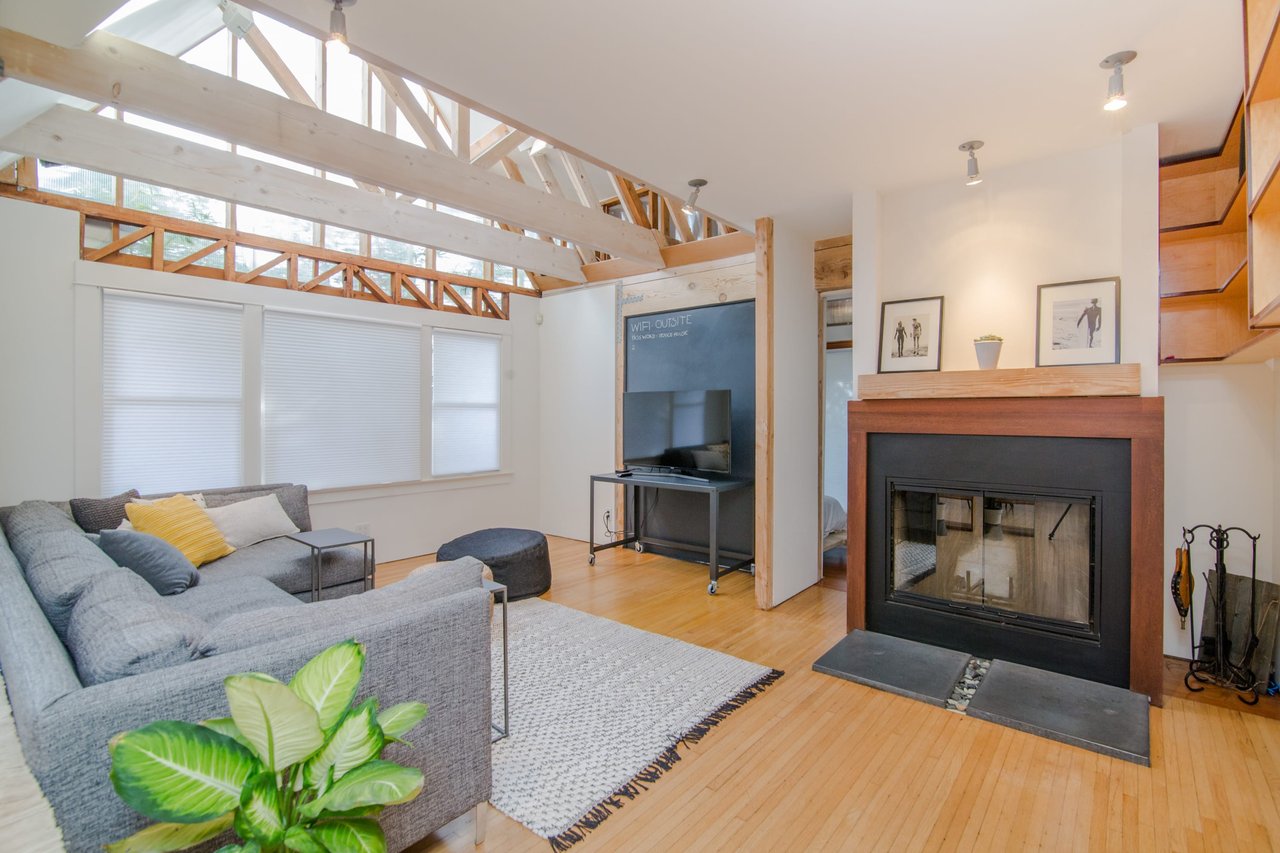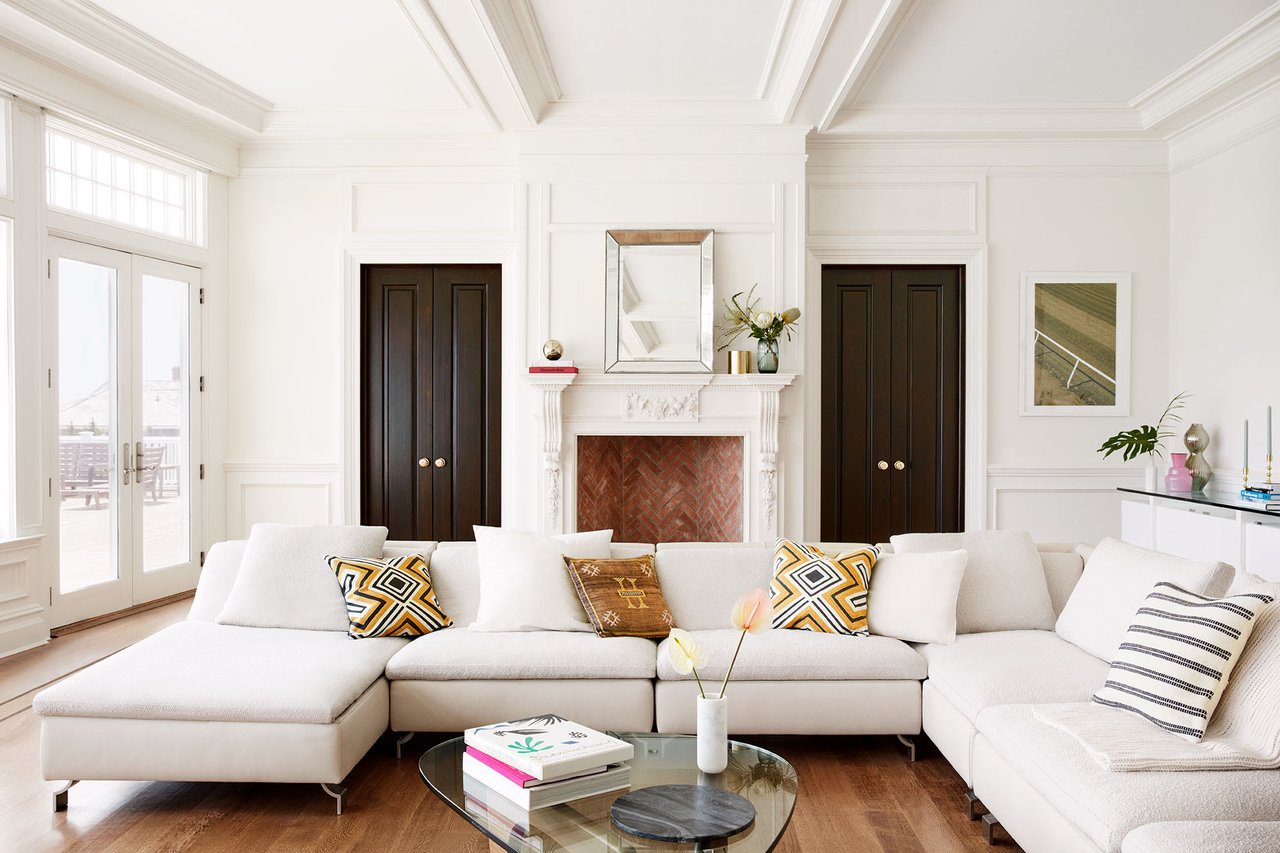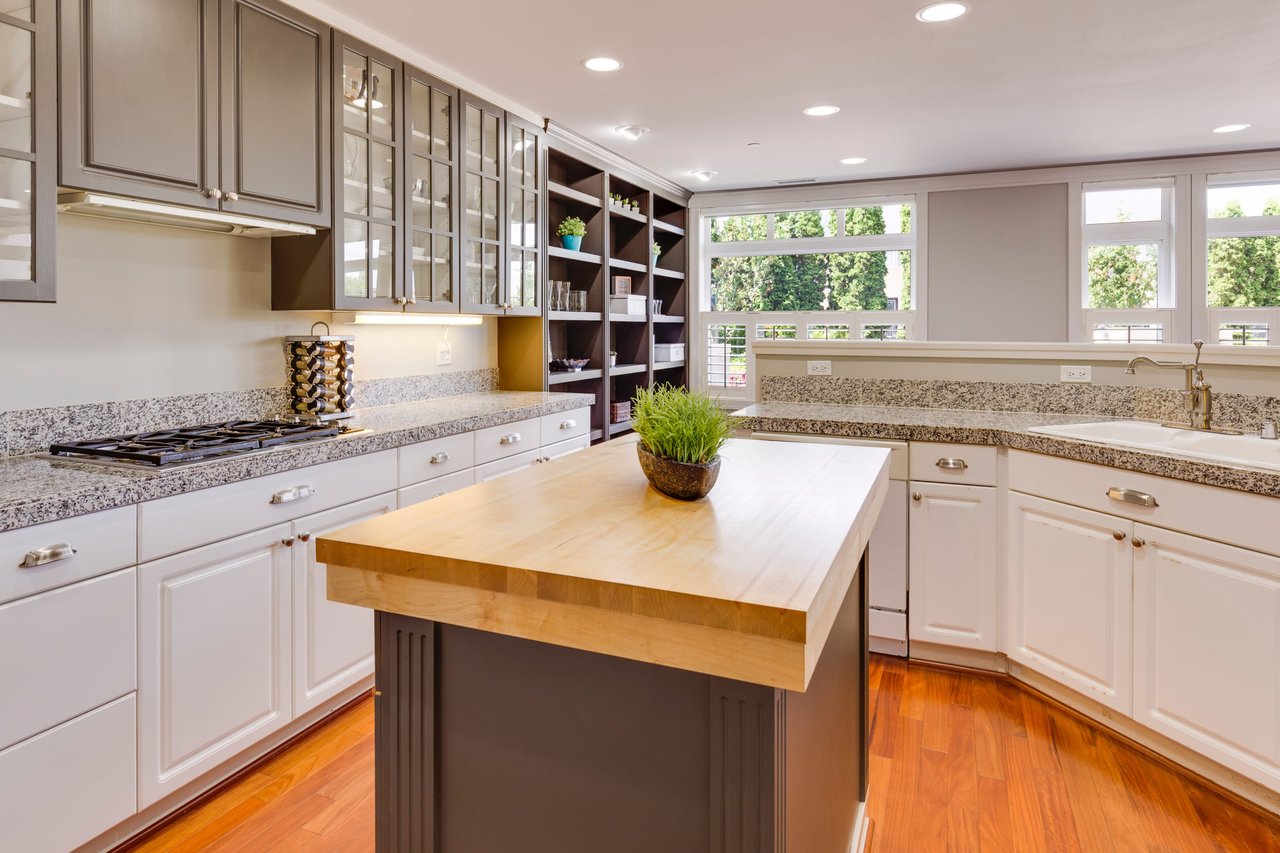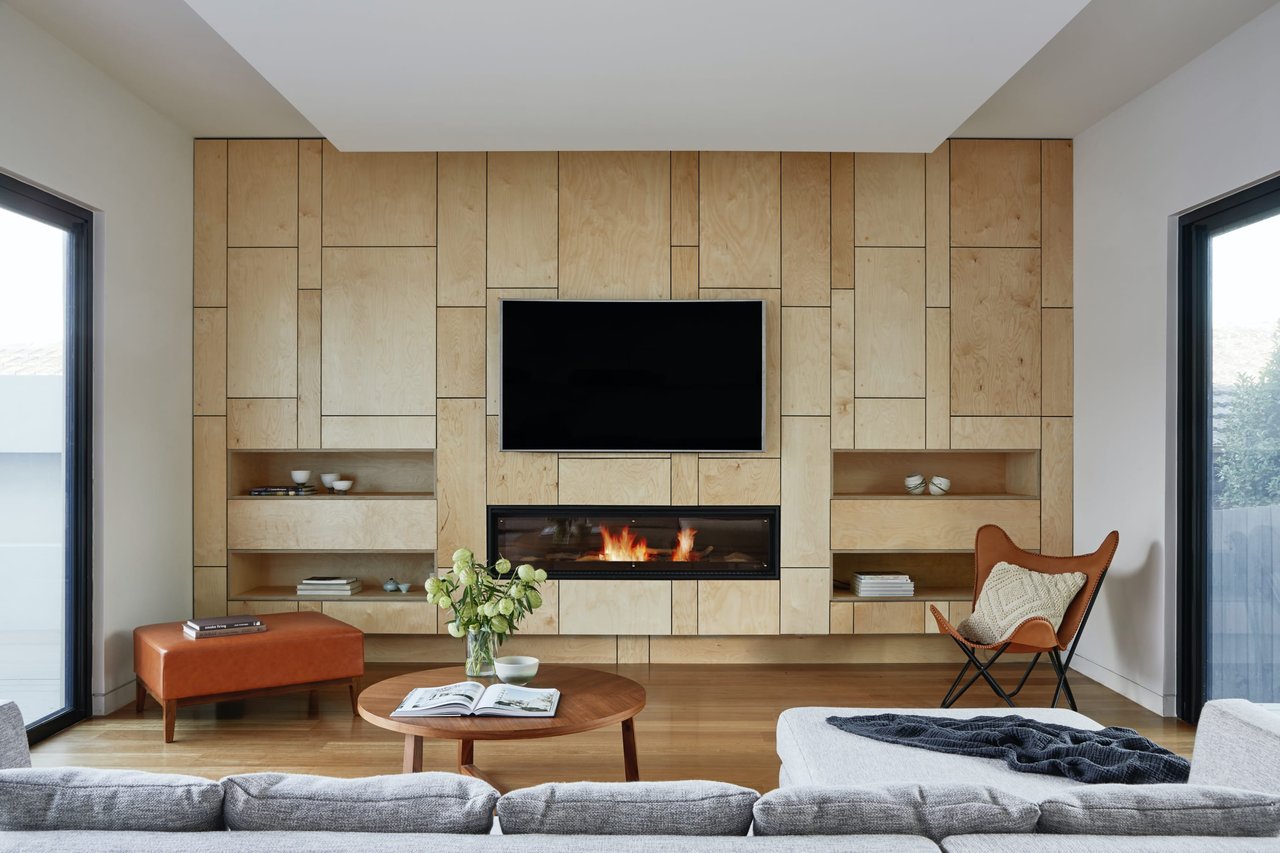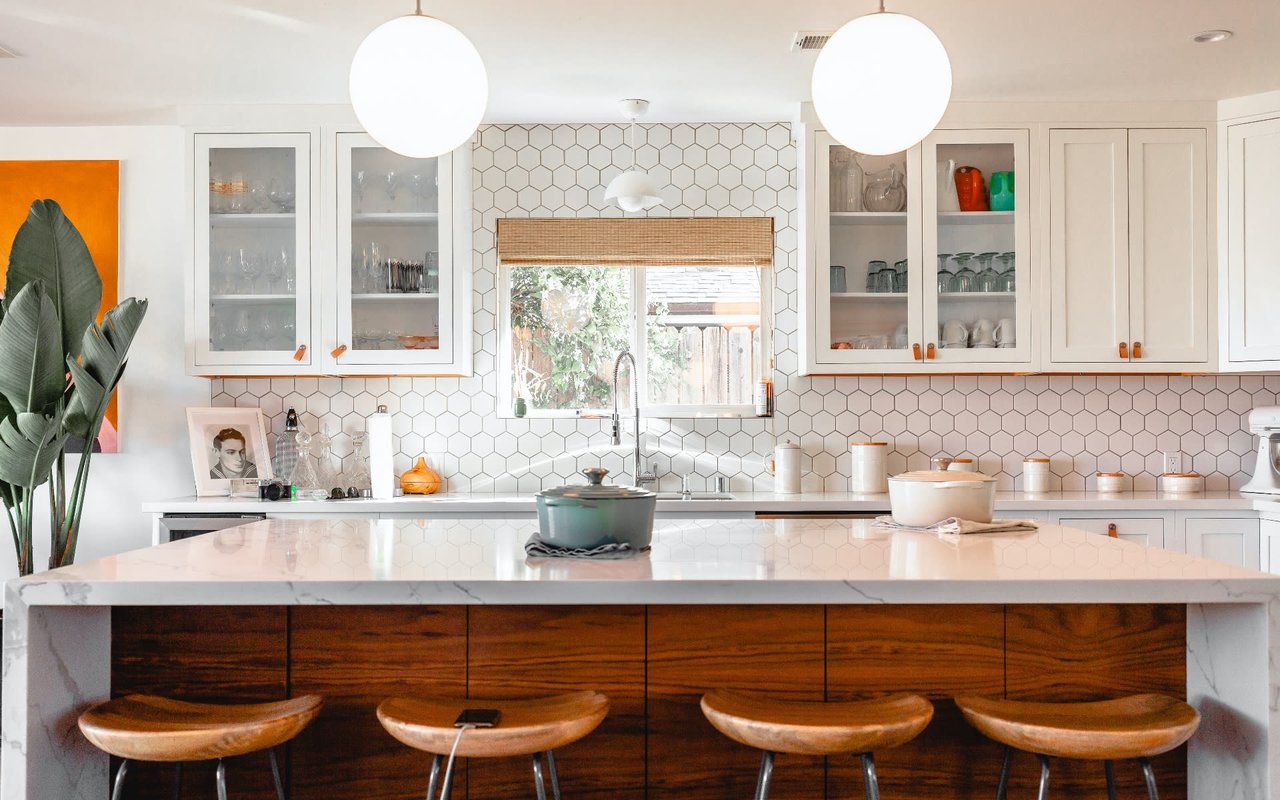
A beautifully staged home should make buyers understand, almost immediately, how the property fits into life on Martha’s Vineyard. That may mean showing where sandy towels land after the beach, how guests gather for dinner, whether the screened porch works on a breezy evening, or how a smaller bedroom can function when family visits for the summer. The goal is not to make every home look like a coastal design showroom. It is to make the property’s lifestyle, layout, and strongest selling features easier to recognize.
This matters because buyers approach Vineyard real estate with very different plans. Some want a year-round residence. Others are searching for a seasonal retreat, a future retirement home, or a place where several generations can spend time together. Effective staging helps each buyer see what the home makes possible without disguising its condition or turning it into something it is not.
Staging Is Marketing, Not Decorating
Decorating reflects the current owner’s taste. Staging prepares the property for the buyer who has not yet formed an emotional connection to it.
That distinction is important. A seller may love a room filled with family photographs, collected artwork, books, and furniture gathered over many years. A buyer may see the same space and struggle to understand its dimensions or imagine where their own belongings would go.
The National Association of REALTORS® found that 83% of buyers’ agents believed staging made it easier for buyers to visualize a property as their future home. The living room was identified as the most important room to stage, followed by the primary bedroom and kitchen.
Start With the Buyer Most Likely to Want the Home
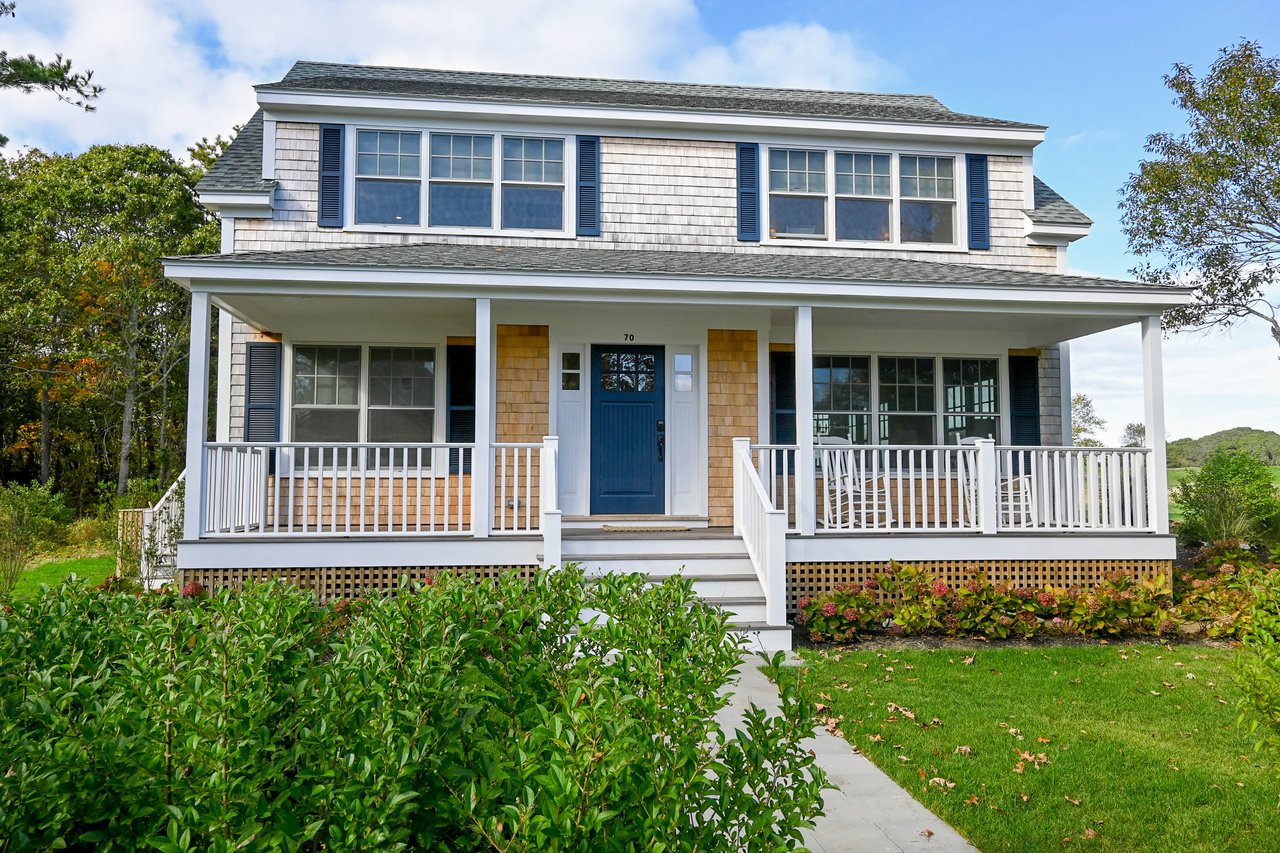
A staging plan should begin with the property’s probable buyer, not a generic checklist copied from another market. A downtown Edgartown home may appeal to someone who wants to walk to restaurants, shops, and the harbor. An Oak Bluffs cottage may be valued for its character, porches, and connection to a lively seasonal community.
The Island’s down-Island towns of Tisbury, Oak Bluffs, and Edgartown have active port areas and concentrated town centers, while West Tisbury, Chilmark, and Aquinnah offer a more rural experience. Staging should reinforce the property’s actual setting rather than applying the same coastal look everywhere.
Show How the Home Handles Island Arrivals
Island homes often need to absorb more people and belongings than their bedroom count suggests. Guests arrive with luggage, groceries, beach equipment, bicycles, coolers, and plans to stay for more than an afternoon. The entrance should demonstrate how the house handles that reality.
Clear crowded mudrooms and entryways so buyers can see the storage. Organize hooks, benches, closets, and laundry areas. Remove excess shoes, coats, cleaning supplies, and seasonal equipment. When the home includes an outdoor shower, equipment shed, garage bay, or dedicated beach storage, make those features easy to understand.
A buyer should not have to guess where wet towels go or how six people return from the beach without tracking sand through the main living area.
Let Gathering Spaces Carry the Emotional Story
Many Martha’s Vineyard buyers are imagining time with other people. They picture summer dinners, family visits, holiday weekends, morning coffee on the porch, and friends lingering after the beach.
Give the Living Room a Clear Purpose
Because the living room is especially important to buyers, its layout should make conversation, movement, and the room’s best feature easy to understand. That feature may be a fireplace, harbor view, garden connection, original architectural detail, or access to a porch.
Remove furniture that blocks windows, doors, or natural pathways. A large sectional may be comfortable for the current owner but make the room look smaller online. Too many chairs can create the impression that the home struggles to accommodate guests rather than welcoming them naturally.
Make the Dining Area Feel Realistic
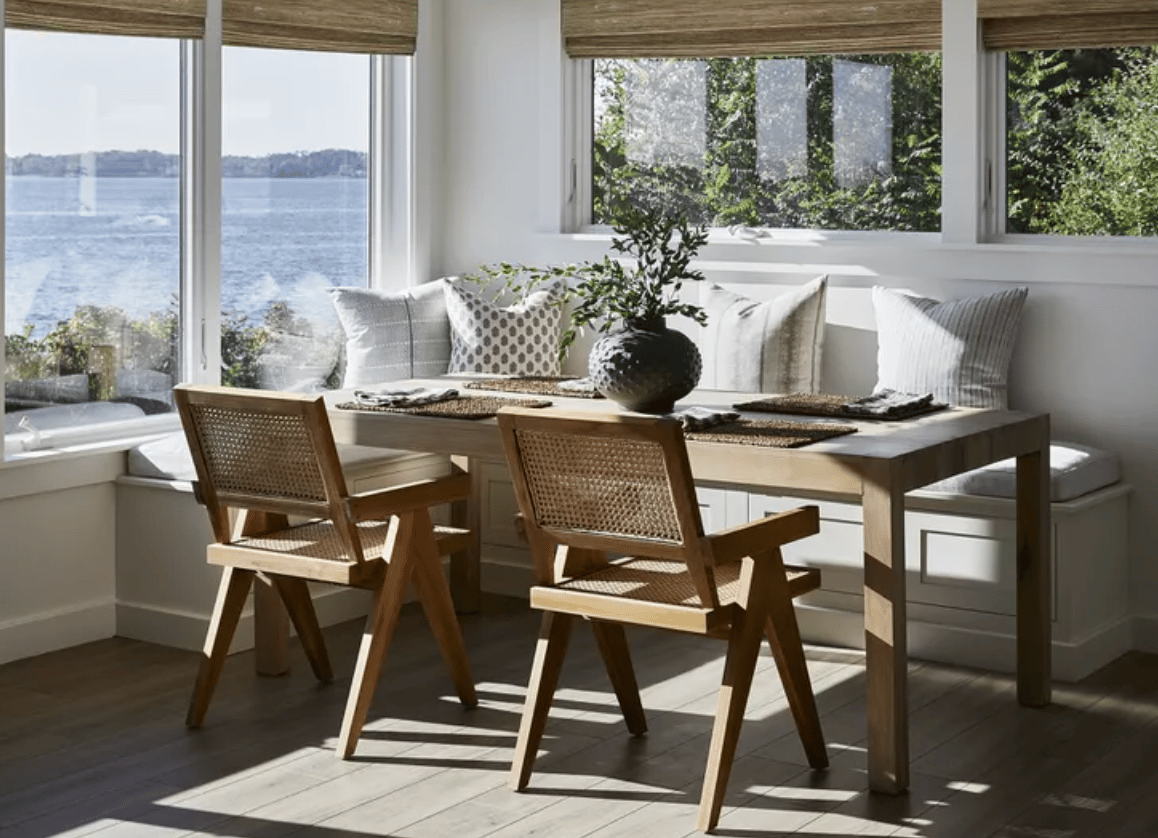
A dining room should show how many people can gather comfortably without being staged for an imaginary banquet. Use a table and chair count that fit the room. Clear oversized centerpieces and extra furniture that make movement look difficult. When the home has several dining options, such as a kitchen table, formal dining room, screened porch, and outdoor patio, give each space a distinct purpose.
Treat Outdoor Areas Like Real Rooms
Outdoor living is not an optional detail in many Vineyard purchases. Porches, patios, decks, lawns, pools, outdoor showers, and dining areas can strongly influence how buyers understand the property.
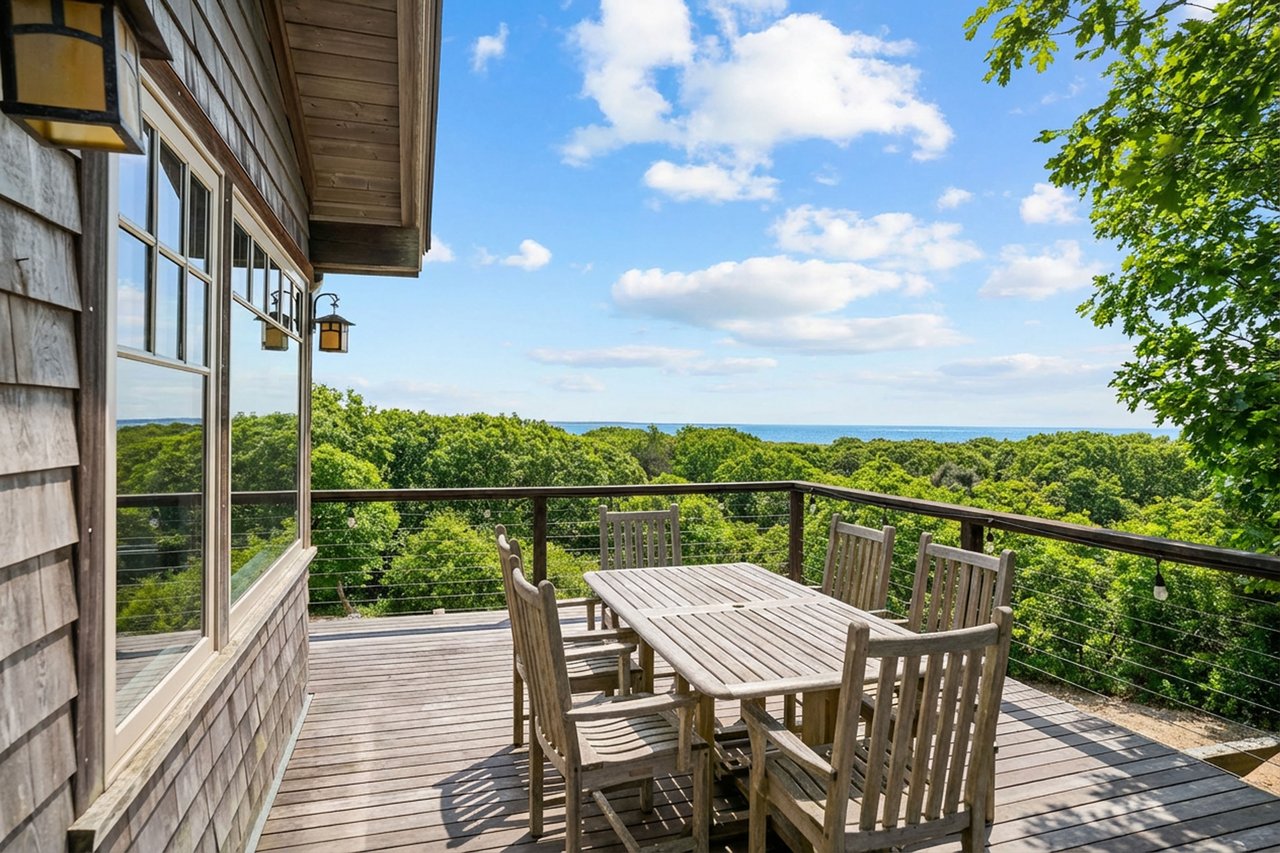
Clean outdoor furniture, replace severely faded cushions, trim landscaping away from walkways, and remove broken planters or unused equipment. Arrange seating so it demonstrates the view, privacy, or relationship to the house. A porch facing the harbor should not be staged in a way that turns every chair away from the water.
The National Association of REALTORS® identifies outdoor spaces among the areas agents prioritize when preparing properties for buyers. On Martha’s Vineyard, those spaces may carry even more emotional weight because buyers often connect the purchase with seasonal outdoor living.
Do Not Overdo the Coastal Theme
A Martha’s Vineyard home does not need anchors, rope lamps, shell-covered accessories, and a different shade of blue in every room to communicate its location. Overly themed staging can make a home feel like a short-term rental or gift shop, particularly when the property has strong architecture, natural materials, historic details, or a distinctive landscape that should be leading the presentation.
Use coastal references sparingly. Natural textures, clean linens, thoughtful artwork, and colors that relate to the home can create a relaxed atmosphere without becoming predictable. Historic cottages, contemporary waterfront homes, farmhouses, and traditional village properties
Stage Year-Round Function, Not Only Summer Fantasy
Martha’s Vineyard is often marketed through summer images, but many buyers are considering longer stays or full-time living.
The Martha’s Vineyard Commission reports that only about 40% of the Island’s housing inventory is available for year-round occupancy. That limited year-round supply makes practical features such as heating, storage, insulation, working spaces, and all-season rooms particularly relevant to some buyers.
Do not stage the home as though it exists only between Memorial Day and Labor Day. Make fireplaces, mudrooms, home offices, interior storage, and comfortable indoor gathering areas part of the story when the property supports year-round use.
Vacant Homes Usually Need More Context, Not Less
A vacant property may appear clean and spacious in person, but photographs can make empty rooms difficult to size. Buyers may struggle to understand whether a dining table fits, where a television would go, or how a long room can be divided into separate functions.
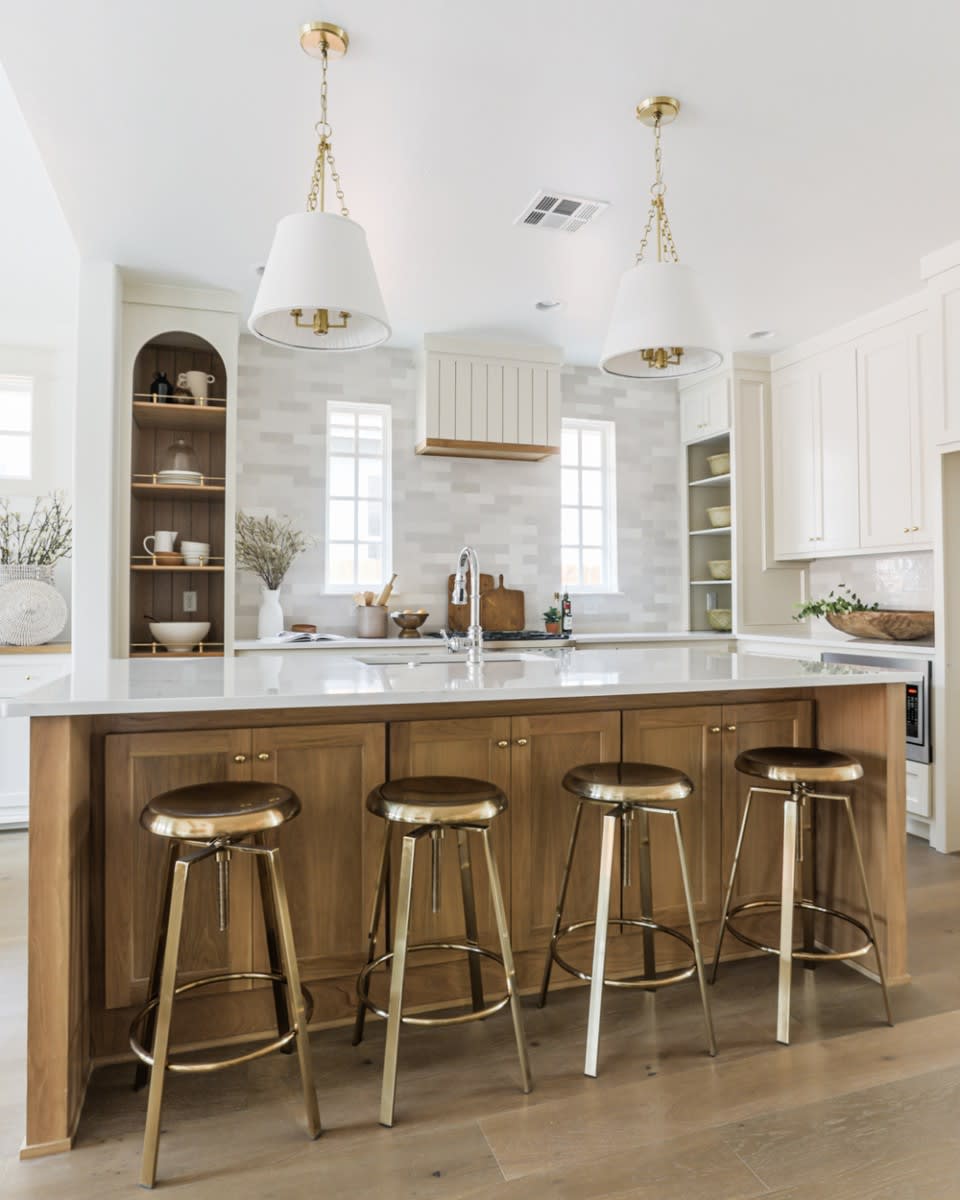
Focus on the living room, primary bedroom, kitchen or dining area, and the outdoor space that best communicates the property’s lifestyle. These are also among the rooms buyers’ agents consider most important when evaluating staging.
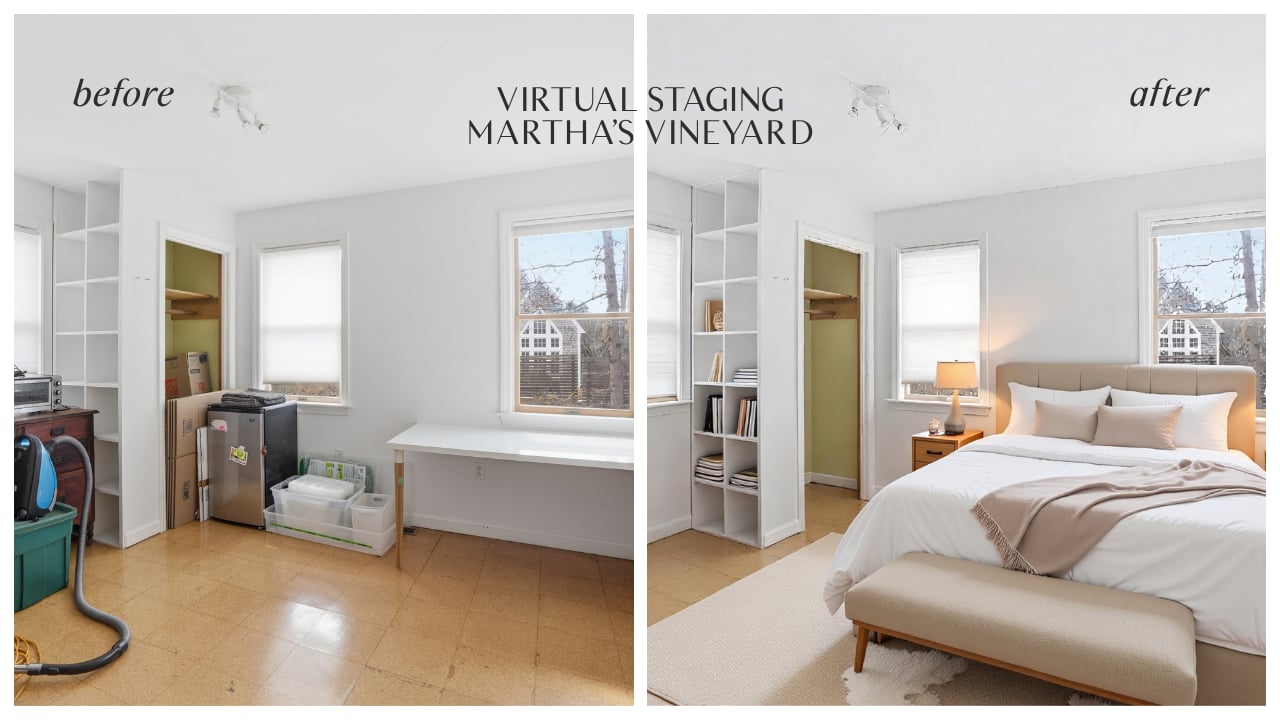
Virtual staging may help buyers interpret an empty room online, but it should be disclosed clearly and should not alter permanent property features or create a misleading impression of condition, dimensions, or views.
Handle Repairs Before Adding Accessories
Fresh towels and new pillows will not distract buyers from peeling exterior paint, stained ceilings, damaged screens, loose railings, moisture odors, or windows that do not operate correctly. In fact, a highly polished presentation can make neglected maintenance stand out more sharply.
Address repairs, cleaning, and safety issues before focusing on decorative details. This is especially important for seasonal homes that may have spent periods unoccupied or properties exposed to salt air, moisture, wind, and winter weather.
Massachusetts also requires sellers to obtain a certificate from the local fire department confirming that smoke and carbon monoxide alarms meet applicable requirements for a sale or transfer. That compliance belongs in the broader preparation timeline rather than being left until the last minute.
The Best Staging Makes the Home Easier to Choose
Staging a Martha’s Vineyard home is not about making it look perfect or removing every trace of personality. It is about helping buyers understand what the property offers and how naturally it could fit their plans.
The strongest staging makes rooms feel clear, outdoor areas feel usable, storage feel practical, and the lifestyle feel believable. It also respects the property’s actual identity, whether it is a village cottage, year-round residence, waterfront retreat, or quiet up-Island home.
Planning to sell a home on Martha’s Vineyard? Contact The O’Hanlon Group before moving furniture, ordering décor, or beginning a long renovation list.
FAQs About Staging a Martha’s Vineyard Home
Does every Martha’s Vineyard home need professional staging?
No. Some properties benefit from full staging, while others need only decluttering, furniture editing, cleaning, and better use of existing pieces.
Should a seasonal home be staged differently from a year-round residence?
Usually. Seasonal-home staging may emphasize guest capacity, outdoor living, beach storage, and easy ownership.
Is it better to sell a Vineyard home furnished?
That depends on the property and buyer. Furnishings may add convenience for a seasonal or rental-oriented buyer, but they should be addressed separately in the transaction when appropriate.
Which rooms are most important to stage?
The living room, primary bedroom, kitchen or dining area, and the property’s strongest outdoor space typically deserve the most attention.
Should I renovate before staging?
Not automatically. Repairs, maintenance, cleaning, paint, lighting, and furniture editing may provide more benefit than a major renovation.
About The O’Hanlon Group
The O’Hanlon Group serves buyers and sellers throughout Martha’s Vineyard, including Edgartown, Oak Bluffs, Vineyard Haven, and surrounding Island communities. The team combines local market knowledge with experience guiding clients through luxury properties, waterfront homes, second residences, seasonal ownership, relocation, and property-specific selling decisions.
The O’Hanlon Group was recognized in the 2026 RealTrends rankings based on its 2025 performance, placing No. 2,318 among small teams nationally by sales volume and No. 97 among small teams in Massachusetts. The team completed 18 transactions representing approximately $40.16 million in sales volume.
For Vineyard homeowners preparing to sell, The O’Hanlon Group provides guidance on pricing, staging, property preparation, marketing, and the unique logistical considerations that come with an Island transaction.