Are Ticks a Problem on Martha's Vineyard? Here's What You Should Know Before You Visit or Buy a Home
If you've searched "Are ticks bad on Martha's Vineyard?", "Is there a tick infestation on Martha's Vineyard?", or "Should I worry about ticks before buying a home on the Vineyard?", you're certainly not alone. Recent news coverage about ticks and Alpha-Gal Syndrome has prompted many visitors—and even prospective homeowners—to ask these questions. As real estate professionals who live, work, and raise our families on Martha's Vineyard, we think it's important to provide an honest perspective.
The short answer? Yes, ticks are something to be aware of. No, they are not a reason to avoid enjoying everything Martha's Vineyard has to offer.
Ticks Are Not Unique to Martha's Vineyard
Ticks are found throughout much of the Northeast, Mid-Atlantic, Midwest, and Southern United States. Lyme disease has long been the most common vector-borne illness in the country, and Alpha-Gal Syndrome has been identified across dozens of states. Just as we wear sunscreen at the beach or life jackets while boating, tick prevention has become another part of enjoying the outdoors responsibly. Millions of people safely hike, bike, garden, camp, and spend time outside every year by taking a few simple precautions.
What Makes Martha's Vineyard Different?
What truly sets Martha's Vineyard apart isn't necessarily a higher risk—it's a community that has become exceptionally educated about prevention. For decades, Island residents have learned how to enjoy the outdoors while making tick awareness part of everyday life. Local healthcare providers are highly experienced in evaluating tick bites, diagnosing Lyme disease, and treating patients with Alpha-Gal Syndrome when necessary. Medical resources are readily available across the Island should visitors or residents have concerns, giving both homeowners and visitors access to knowledgeable care if questions arise.
What Is Everyday Life Really Like?
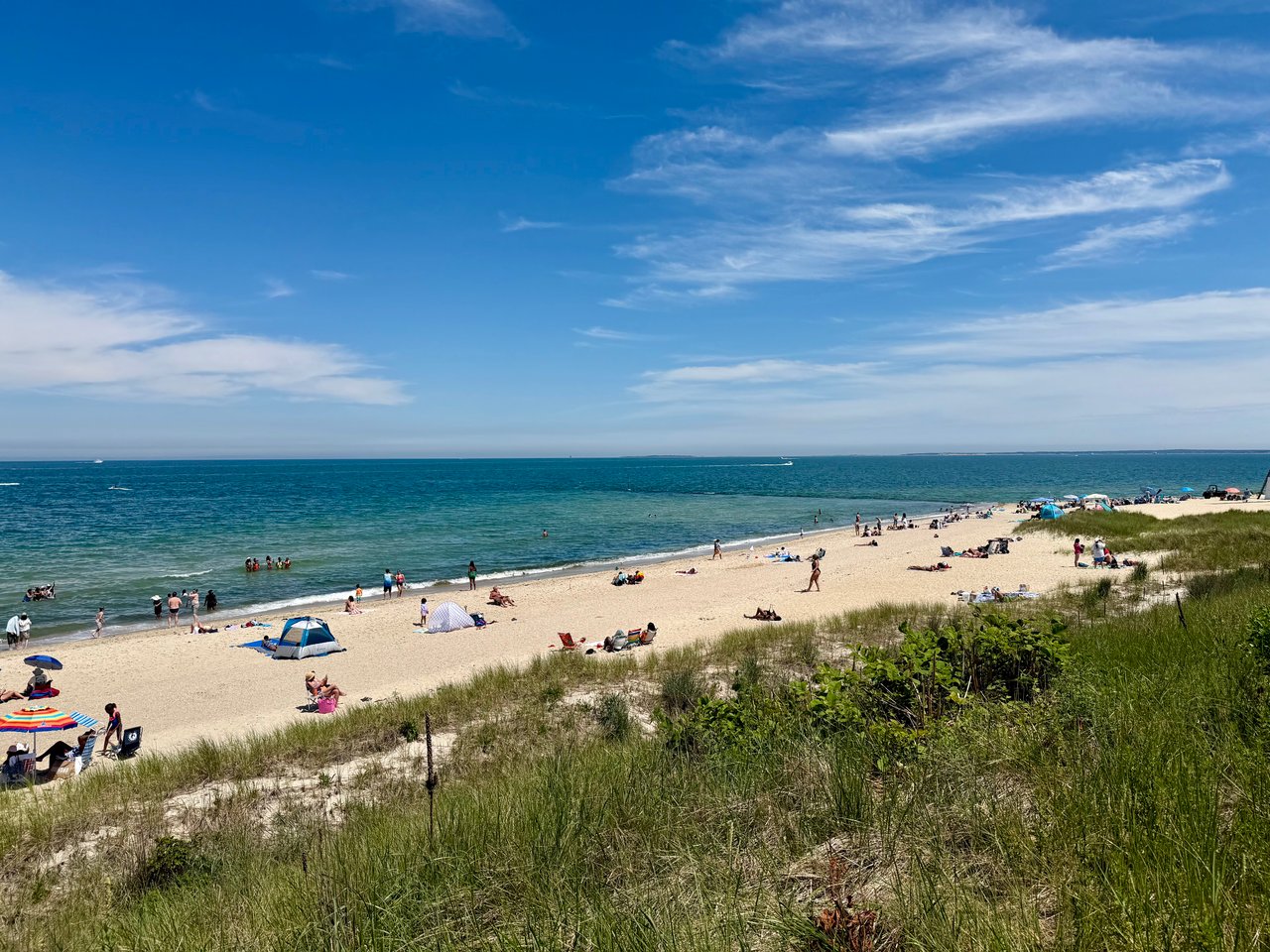
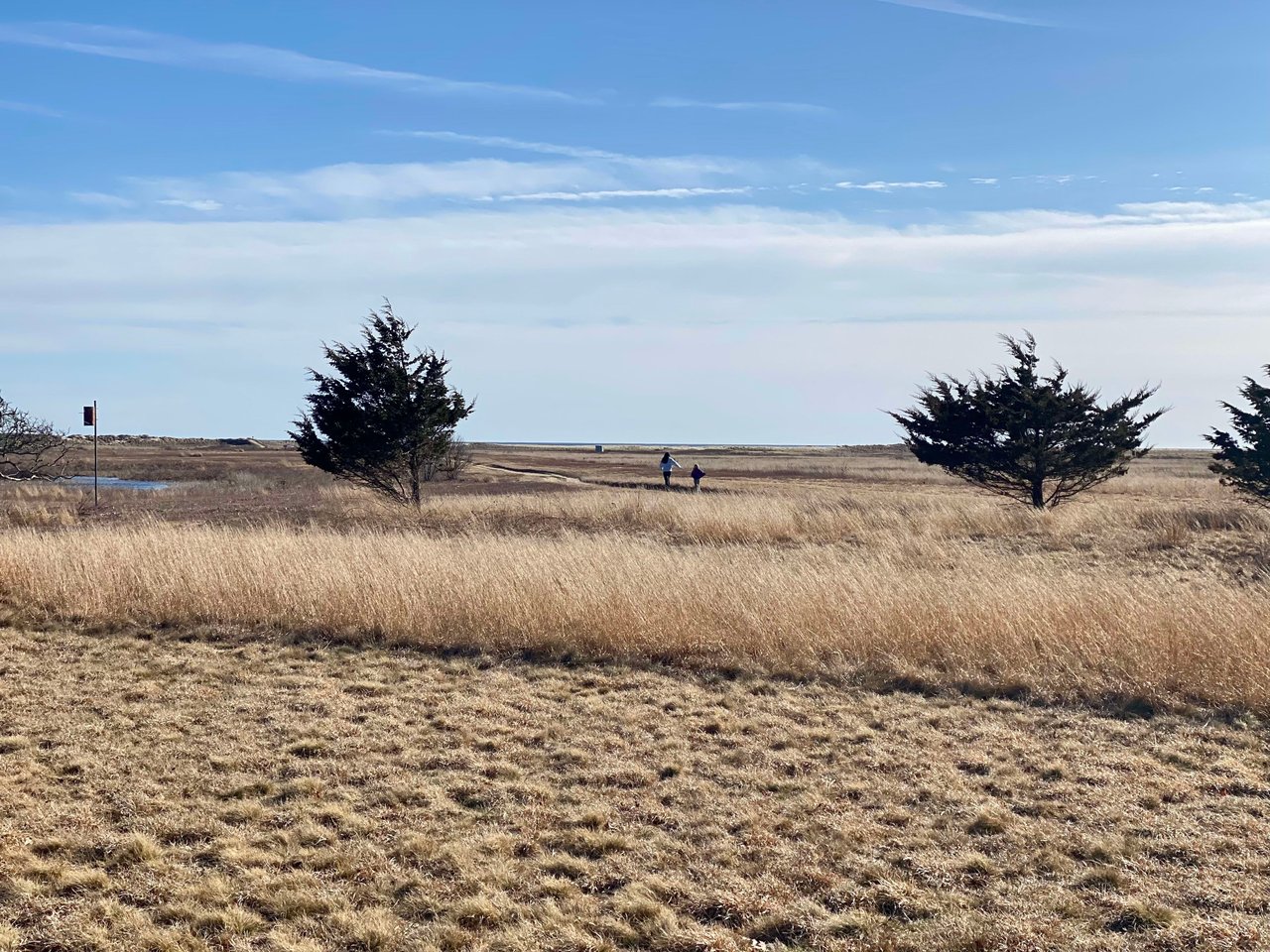
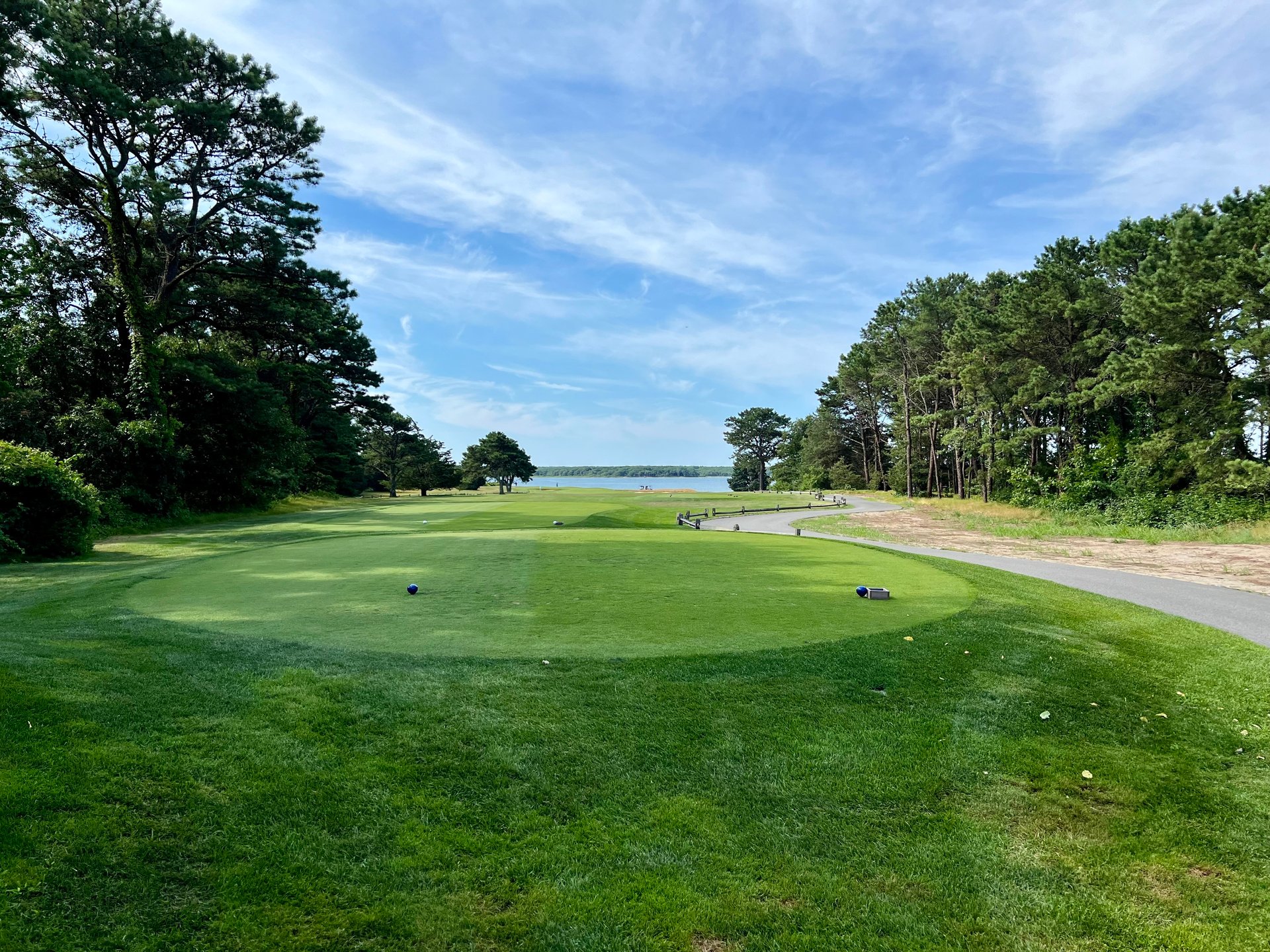
One thing that's often missing from headlines is context. The majority of visitors spend their vacations at beaches, restaurants, downtown shopping districts, harbors, bike paths, golf courses, and on the water—places where tick exposure is generally much lower than in wooded areas, tall grass, or dense brush. Most longtime residents don't stop enjoying the Island. Instead, they adapt their routines. Simple habits like using insect repellent, staying on maintained trails, avoiding tall grass, and doing a quick tick check after spending time outdoors have become second nature. It's a few minutes at the end of the day that allows people to continue enjoying the lifestyle that makes Martha's Vineyard so special.
How The O'Hanlon Group Approaches Tick Season
As a team, we spend our days showing homes, walking properties, visiting construction sites, and enjoying the outdoors with our families. Naturally, we all have slightly different routines—but none of us have stopped living the Vineyard lifestyle.

Maranda Post
Maranda and her family focus on practical prevention rather than changing how they enjoy the Island. She uses organic tick spray when spending time outdoors, along with Tick Patch products for her children as an added layer of protection. Her family sticks to well-maintained trails whenever possible and performs a quick tick check every evening. As Maranda puts it, "Tick awareness has simply become part of our routine." As the owner of Osprey Home Watch, Maranda also regularly advises homeowners about professional mosquito and tick spraying services. When appropriate, treating a property can be an extremely effective way to help keep yards more comfortable for families, guests, and pets.
Susie Plimpton-Wallo
Susie admits she's noticed more ticks recently than in years past, experiencing a couple of bites herself. But despite that, she hasn't changed how she enjoys the Island. Instead, she's simply become more diligent. As she says, "Being diligent and checking is a small price to pay to be able to go about the day and enjoy our beautiful island."
Melanie Rankow Prescott
Born and raised on Martha's Vineyard, Melanie has been performing daily tick checks since childhood—and now her own family follows the same routine. Her children attended a nature-based preschool, making tick checks simply part of everyday life. Their family also checks their cat regularly and keeps him protected with monthly preventative medication. Melanie says, "I do not hold back on any activities due to the threat of ticks." Like many Island families, she knows people who have experienced Lyme disease and Alpha-Gal Syndrome firsthand, but believes awareness and prevention allow families to continue enjoying everything Martha's Vineyard offers.
Jared Bicknell
As a real estate agent, Jared often spends his days walking larger properties, wooded lots, and homes with acreage—places where tick exposure can be higher than the average visitor might experience. His approach is simple: stay aware and check often. "Ticks are a serious problem only if you don't check every few hours. Be diligent about checking and you'll be fine." For Jared, regular tick checks have simply become part of the routine when showing certain properties, allowing him to focus on helping clients without letting ticks keep him out of the field.
Jen O'Hanlon
After nearly 30 years of living on Martha's Vineyard, I've made surprisingly few changes to my routine. The biggest? I no longer let my dog roam off leash through wooded trails in the State Forest. While dogs can be protected with effective tick preventatives, ticks can still hitch a ride before dying and potentially end up inside the house. Since my dog sleeps in my bedroom, that small adjustment felt worthwhile. We've also started using tick-repellent spray on him before heading out for walks, which has become another easy habit.

Like many people, I understand why Alpha-Gal Syndrome has become such a hot topic. Let's be honest—most of us enjoy a good filet mignon or cheeseburger and would rather not have to think about giving those up. It can absolutely be a life-changing diagnosis. But I also know many people who have adjusted well after developing Alpha-Gal. Some have discovered they can still enjoy certain dairy products, while others have found unexpected health benefits from changing their diets. No one wants to develop Alpha-Gal, but for those of us who live here, the beauty, lifestyle, and sense of community that Martha's Vineyard offers still far outweigh the risk. We simply take sensible precautions to reduce that risk as much as possible.
What Should Buyers Know?
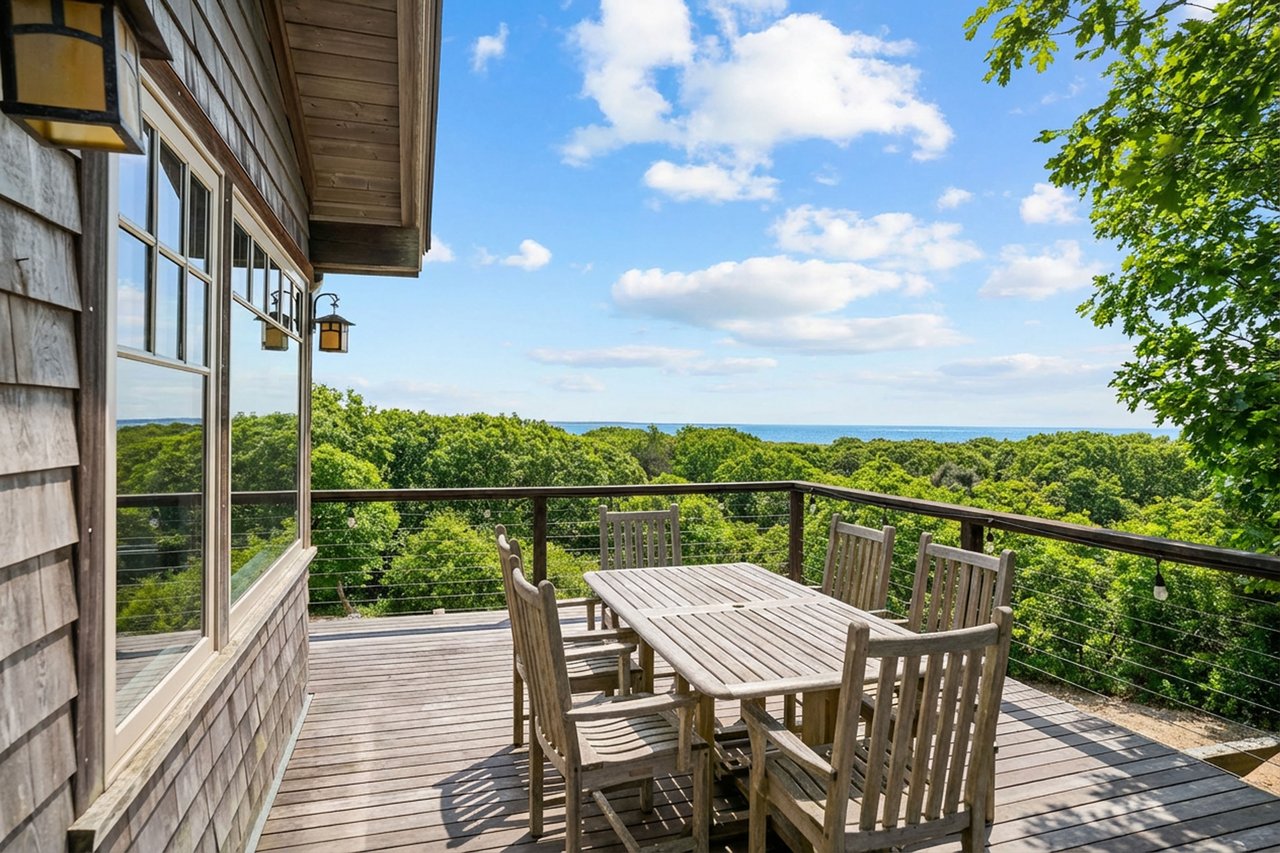
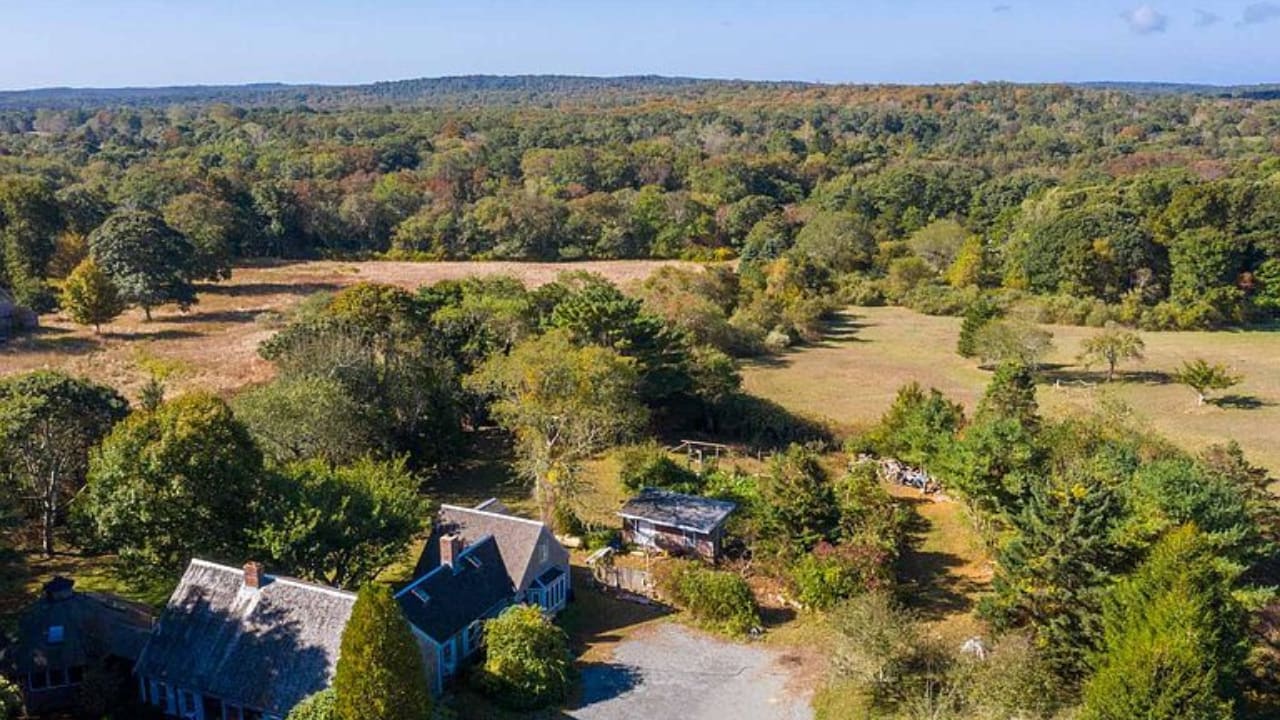
This is a question we receive regularly from people considering purchasing a home on Martha's Vineyard. Our advice is simple. If you're buying a property with extensive wooded acreage, you'll likely become more diligent about prevention than someone purchasing a home in downtown Edgartown, Oak Bluffs, or Vineyard Haven. Many homeowners with larger properties choose seasonal mosquito and tick spraying, maintain their landscaping to reduce tick habitat, keep lawns trimmed, and create outdoor living spaces that minimize exposure. These are practical maintenance decisions—not unlike winterizing a home, maintaining a septic system, or preparing for hurricane season. For buyers, it's also worth remembering that not every property carries the same level of tick exposure. Homes with expansive wooded acreage or dense natural vegetation may require a little more vigilance than those in village settings or neighborhoods with smaller, more open lots. During our buyer consultations, we're always happy to discuss what living on different parts of the Island is really like so you can make an informed decision.

Our Bottom Line
The reality is that ticks are part of life across much of the Northeast—including Martha's Vineyard. Being informed, using common sense, and developing a few simple habits allow thousands of residents and visitors to safely enjoy the Island every year. Whether you're spending a week on vacation or considering making Martha's Vineyard your permanent home, understanding how to manage tick exposure is simply part of enjoying the outdoors. And if you're considering purchasing a home here, we're always happy to share what day-to-day life is really like—from local neighborhoods and schools to practical topics like property maintenance, landscaping, and yes, even ticks.
After all, that's what local expertise is for.